

Kenya Rejects Cultural Imperialism
Source: Flickr
January 22
Public opinion on unborn life, cultural sovereignty in Africa & the case for pro-family fiscal policies in Europe
National Survey Reveals Most Kenyans Oppose Abortion
Source: IndyStar
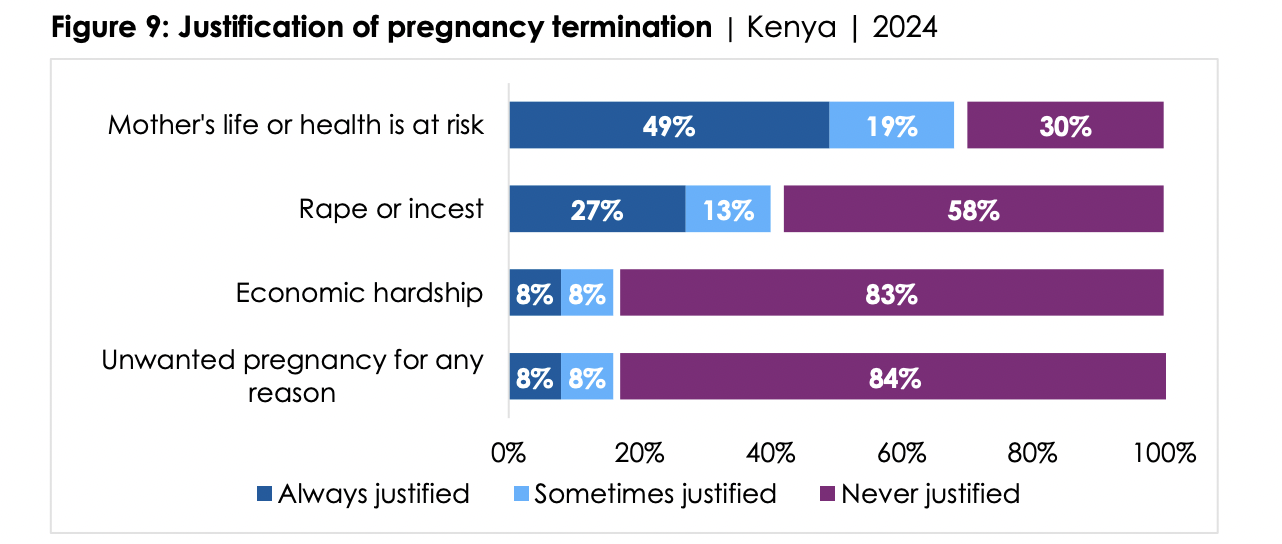
A recent nationwide survey found that 83% of Kenyans think abortion is never justified for convenience, including in cases of economic hardship. The public opinion in Kenya, as is the case in many African countries, stems from a deeply entrenched belief that life has worth from conception and ought to be protected. In their increasingly innovative efforts, international abortion groups seek to change Kenya’s public opinion on unborn life, mischaracterizing it as regressive and anti-science.
Source: AFR Barometer
As a discipline, science teaches us “what is the case” in the world. On the topic of life, it teaches that a new human life with a unique DNA begins at conception. The baby’s sex, facial features, hair color, and blood type are already determined at that stage. It is not proper for science to answer whether life has worth and ought to be protected. To examine those questions, one inevitably turns to philosophy and theology. Some people’s outlook on life, albeit by osmosis, is based on a purely materialistic conception of the world. They deny the existence of God and believe that all that exists in the world is matter and does so by pure chance. Therefore, according to this view, the baby in the womb is nothing more than a clump of cells, and by extension, so are all of us.
What I meant to show is that the pro-abortion view is not a “neutral,” “scientific” stance. It is just as ideological as the anti-abortion stance.
That life has worth from conception is a core teaching of Christianity held from the very first generation of Christians in the 1st century AD. Abortion is not a novel phenomenon; Together with infanticide, it was practiced in Greek and Roman cultures. Christianity fought against these practices.
In Kenya, 85.5% of people identify as Christian. When powerful international groups devote millions of dollars to change the pro-life views of these people, at the core, they do so out of the presumptuous belief that their secular ideology is superior to Christian teachings. It is an imposition of a secular worldview shielded by a misleading impression that their position is somehow “neutral.”
In 2024, Ipas, a major international abortion provider, was proudly announcing its programs in Kenya to overcome the “stigma around abortion” and teach Africans how to administer it outside formal medical centers. Speaking about its Values Clarification and Attitude Transformation (VCAT) trainings, Ipas said they “shifted mindsets, helping providers understand the importance of the services they offer and instilling in them a deep commitment to protecting girls from unsafe methods.” They target young people, medical providers, teachers, and politicians.
Ipas admitted to having used the World Health Organization (WHO) guidelines in various Kenyan communities to further solidify the idea that their stance represents “settled science.” It is regrettable that the WHO, having fully embraced the pro-abortion ideology, is now used as an authority figure on moral issues, superseding its mandate as a science-oriented organization.
This recently published barometer shows where most Kenyans stand on this issue. When foreign governments threaten to cut funding to pro-life countries or impose a foreign social agenda through NGOs, they are engaging in nothing short of ethical imperialism.
Family Laws in Europe
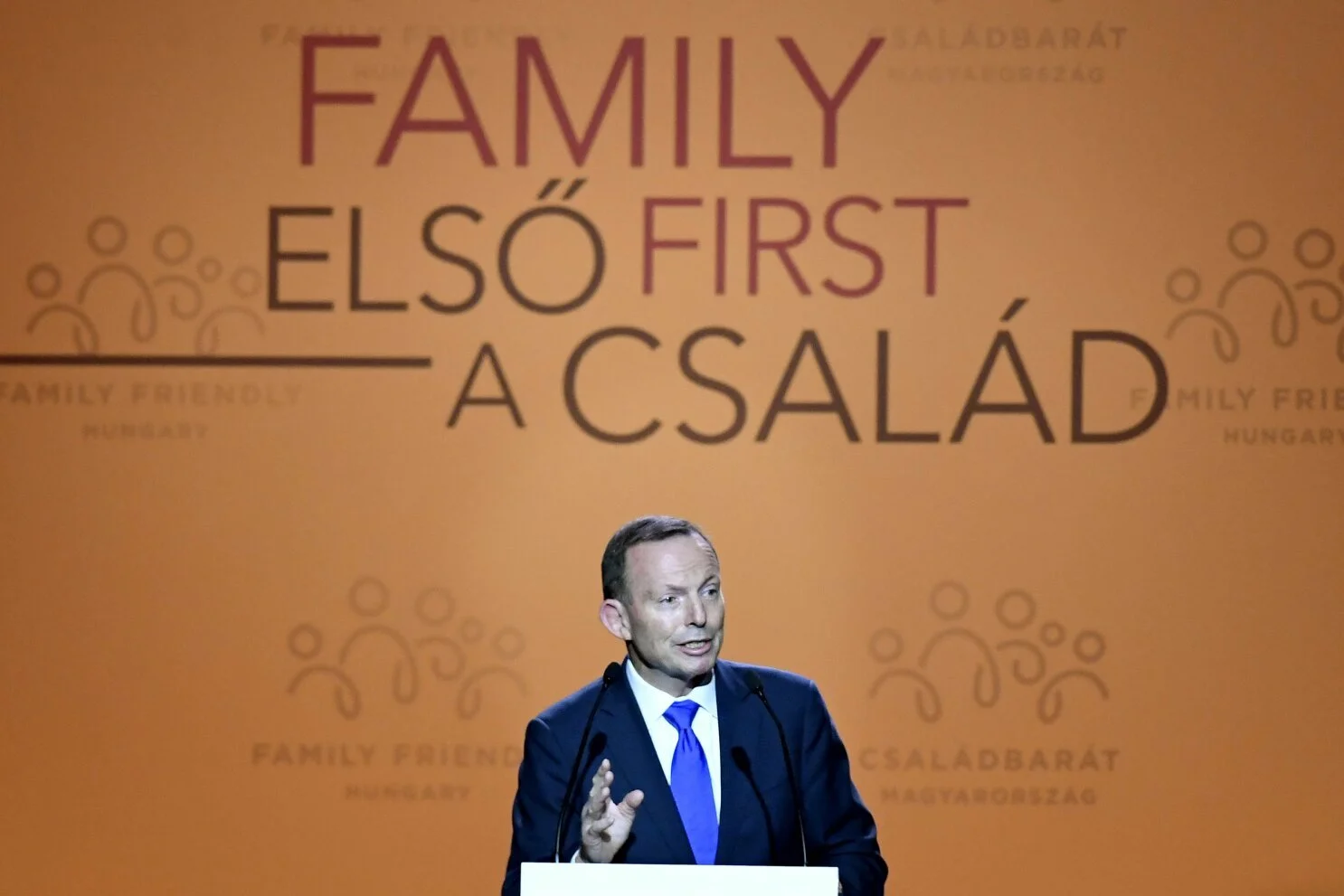
Image credits: AP News
Supporting emerging families can take many forms. Hungary has a track record of using tax incentives and fiscal policies to help families overcome financial burdens. Under its “Family Protection Action Plan,” Hungary dedicated around 5% of its GDP to support family formation. Last week, the Ministry of Culture and Innovation announced it “doubled the family tax allowance for one million families, and half a million mothers became exempt from personal income tax for life.”
With a fertility rate still below the replacement level, Hungary experienced a significant increase in birth rates, from 1.23 in 2011 to around 1.6. For reference, it was in 2011 that Hungary began introducing fiscal reforms for families. It is believed that “without these pro-family policies, 88,000 fewer children would have been born (in a country of 10 million)” and that “[s]ince 2010, 200 thousand more Hungarians live in marriages today.”

Other European countries, on the other hand, are reversing such fiscal support. Belgium is repealing a tax benefit known as the "marriage quotient” that benefited married couples where one partner had a significantly lower income than the other. The benefit allowed the higher-earning partner to transfer a portion of it to the other for tax purposes, which significantly benefited single-income families with stay-at-home mothers or other single-income arrangements. Belgium’s decision to revoke its tax benefits seeks to encourage both partners to join the workforce.
Europe’s “demographic winter” is the result of a social landscape dominated by hyper-individualism and an ideology seeking to replace the family as the bedrock of society with the individual. Young people are told to seek careers, focus on themselves, and postpone marriage until most convenient or bypass it altogether.
In Christianity, family life is considered a vocation. It is within the context of a family that we welcome the tremendous gift of life. When approached prayerfully, family life becomes an opportunity to learn how to love even when inconvenient, self-sacrifice, and to walk the walk of faith together. Additionally, family-formation does not have to be antithetical to a fulfilling career or academic pursuits.
If not convinced by the moral and social merits of family formation, perhaps the fiscal burdens caused by demographic winter will propel international organizations and national governments to take support for families more seriously.
C-Fam Friday Fax
Denmark Forcibly Sterilized Greenlandic Women “Denmark has long advocated for contraception and abortion as ways to empower women. In their own territories, however, Denmark has used contraceptives to abuse and disempower women and girls.” Read Rebecca Oas’ full report here.
Statement on Redefining Gender in New Treaty “Because of the gravity of labelling anyone hostis humani generis (enemy of the human race), definitions in the new treaty must be precise and not lend themselves to political manipulation. For this reason, we urge Member States to define gender as referring only to men and women in the new treaty or replace the term gender altogether with ‘sex.’” Read Stefano’s Friday Fax here.
