

Beyond the Conference Room: Scenes & Expectations from 2026 UN Commissions
Restoring Family to the Heart of Social Development, UN Side Event on Perils of Pediatric Gender Affirming Care, and Centering CSW70 Around Human Dignity
The Commission on Social Development Wrapped Up
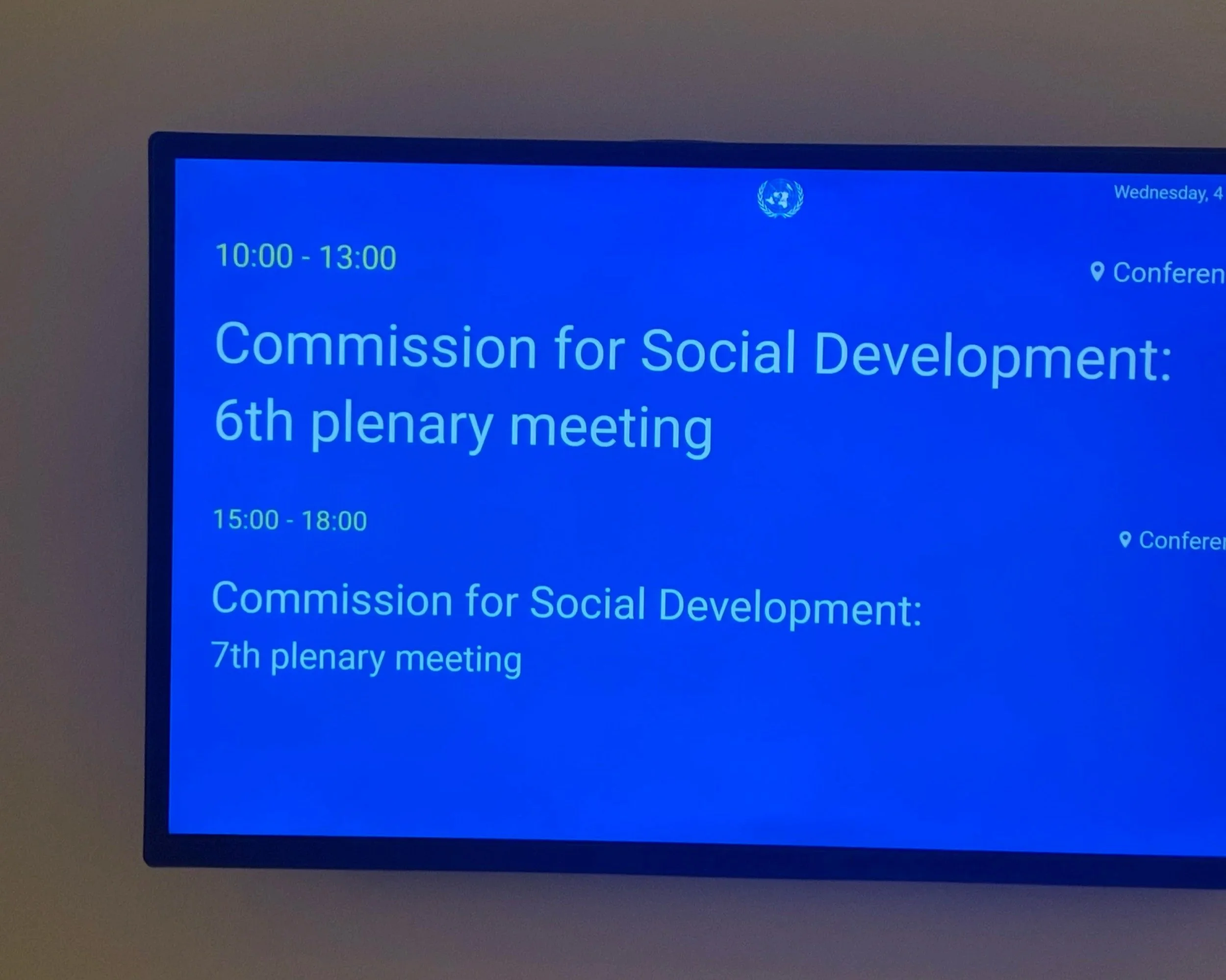
Every year, the UN convenes the Commission on Social Development. It usually spans over several days and features panel discussions and member state interventions on a theme related to social development. This year, the theme was “Advancing Social Development and Social Justice through Coordinated, Equitable, and Inclusive Policies." It has become customary for UN headlines to say everything and nothing at once.
While it’s important not to downplay the Commission’s purpose, we should ask how much real-world impact these meetings have and how they could become more relevant. The UN often feels disconnected from everyday life. It is a bubble in almost every sense of the term—from its ideological insulation, to linguistic jargon, and ceaseless talks about normative aspirations.
Under-Secretary General Guy Ryder shared that in 2024, the UN held over 27,000 meetings in New York, Geneva, Nairobi, and Vienna. He noted that two additional sessions at UN headquarters cost $15,900, excluding webcasts. That’s a significant amount.
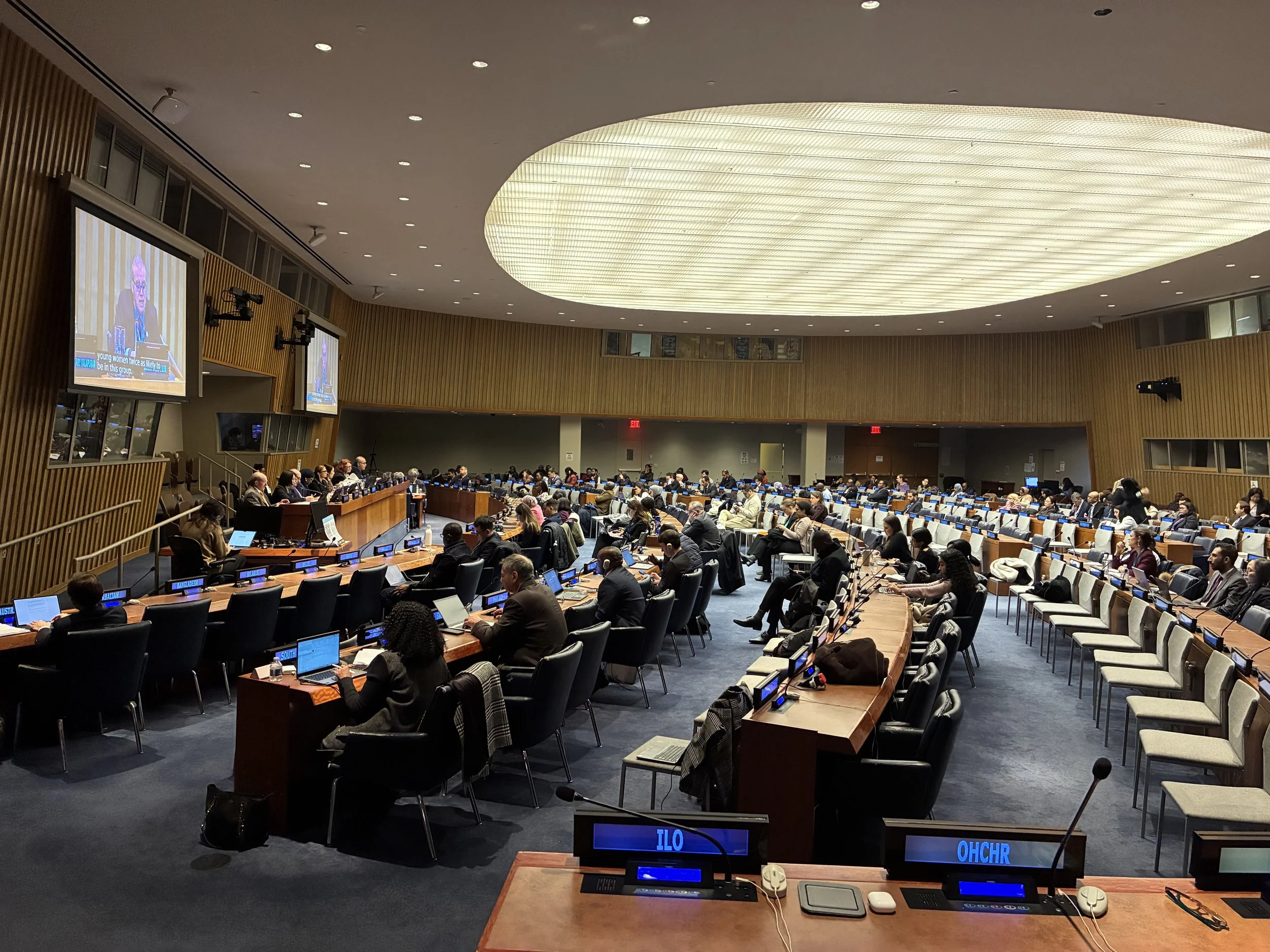
This year, the NGO section of the conference room felt unusually empty, perhaps indicative of growing doubts about the value of these forums. But as long as these meetings continue to take place and welcome high-level dignitaries, it is worth exploring how member states and NGOs can leverage them to make a positive impact. For instance, the Commission is uniquely positioned to shed light on the centrality of the family for sustainable development.
During this year’s session, it seemed that more governments and even parts of the UN system recognized the indispensable role of families in social development. Despite being framed by some as a mere "ideological" position, the importance of investing in families is common-sensical and well-supported by research and observation. Healthy, strong marriages serve as safety nets, offering support, comfort, and a sense of belonging to people and produce more fulfilled members of society. Studies show that children growing up in stable homes with two parents are much more likely to graduate from college than kids who do not, for example.
At the UN, speaking in support of the family has become a political statement—progressive governments prefer to distance themselves from this topic, as it challenges their belief that individual rights and flourishing should come before family.
Nevertheless, many other governments leveraged this Commission to discuss their efforts to support young couples in forming families, be it through fiscal reform or paid parental leave, and to exchange best practices.
The Holy See said “governments should respect and support the family, and provide appropriate assistance when necessary,” and referred to it as the “natural and fundamental group unit of society [...] primarily responsible for the well-being of its members, particularly children. It also fosters values that encourage inclusion, solidarity, and social integration.”
Even the UN Secretariat recognized the incremental role of family support for sustainable development. Mr. Charles Katoanga , Director DISD DESA, referenced a recent report released by the UN Secretary-General, “urging member states to embed families at the core of sustainable development strategies."
Belarus, on behalf of the Group of the Friends of the Family, Qatar, Turkey, Poland, Russia, and Egypt, also delivered support for a vision of special development built on family support.
UN Side Event on Mental Health Harms of Pediatric Gender Affirming Care
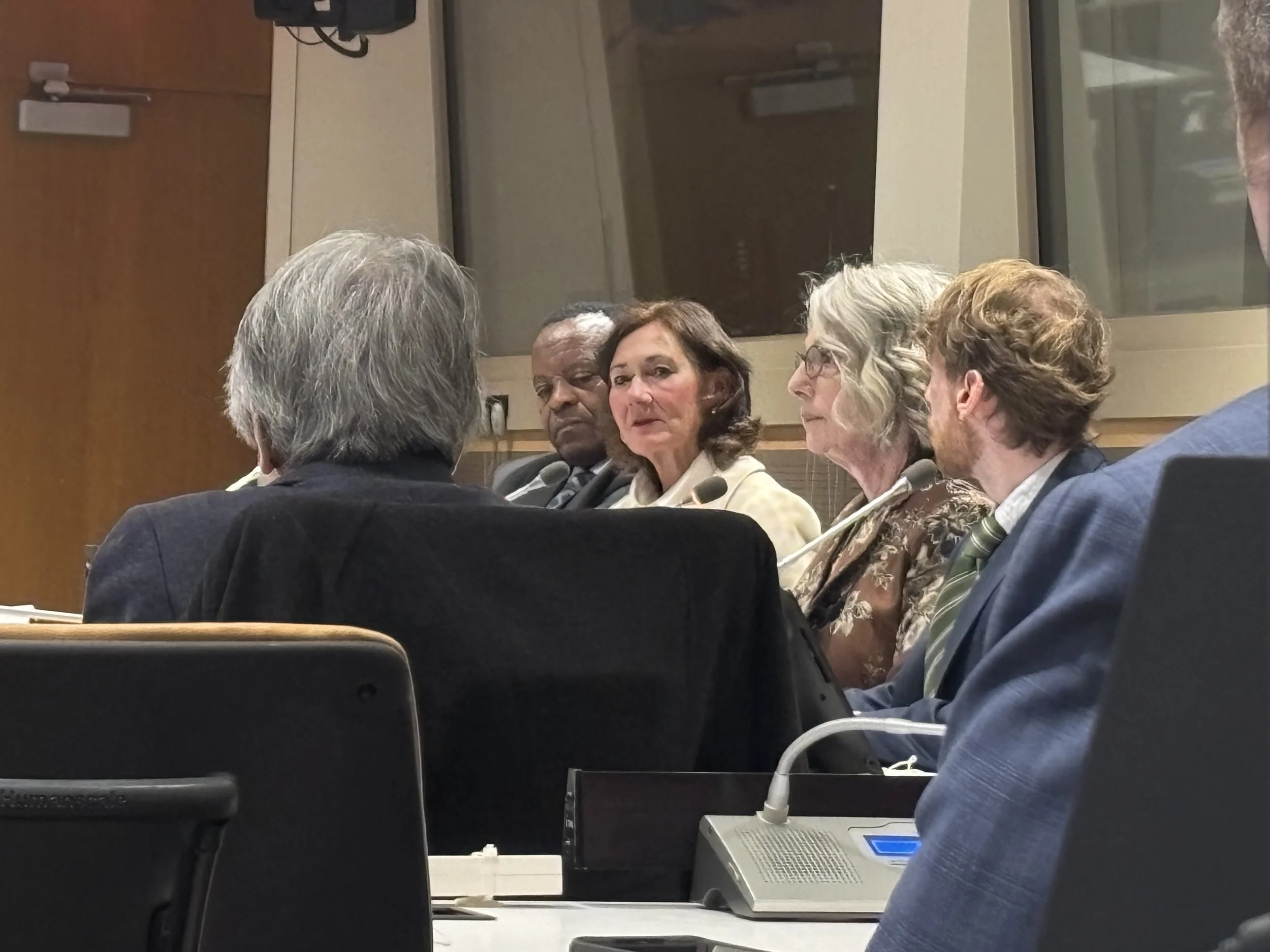
Concepts of Truth International, together with Burundi, hosted a very insightful event that explained the pitfalls of gender-affirming care for children. While such events are outliers at the UN, they should not and need not be! Substantive, thoughtful discourse on social policies is exactly what the UN should be all about. You can read my report here.
More resources on this topic:
New Report Finds Gender Medicine Policy Is More Political Than You Might Have Thought [Manhattan Institute]
Lost in Transnation [Dr. Miriam Grossman]
Preparing for the Commission on the Status of Women
In about a month, the UN will host its largest annual conference focused on women’s issues. This year’s priority theme, women’s “access to justice,” provides opportunities for constructive deliberation on how to help women. However, there is also a danger that it will be misused to cover an array of controversial topics that do not resonate with the needs of the developing world.
C-Fam, the parent organization of IYc, delivered a statement explaining why it is important for the Commission not to promote abortion in women’s rights programming on “access to justice.” A holistic vision of women’s access to justice respects human dignity at all stages of life, from conception to childhood, adolescence, adulthood, and old age.
What could a comprehensive vision for women’s access to justice look like at CSW70?
IYc volunteers will join the commission, and when given the opportunity, will make the following asks:
Social Safety Nets: Investment in robust support systems for women facing unplanned pregnancies—financial, educational, and medical, including supporting crisis pregnancy centers.
Holistic Empowerment: We believe true empowerment means upholding the dignity of both the mother and the baby in the womb. We reject abortion as a quick fix to deep-seated challenges.
Elevating Pro-Life Perspectives: We represent pro-family youth at multilateral forums to ensure that justice includes the right to choose life and the right to the resources necessary to sustain it, not to end life through abortion.
