Global Marches for Life and WHO's Move to Control the SRH Conversation
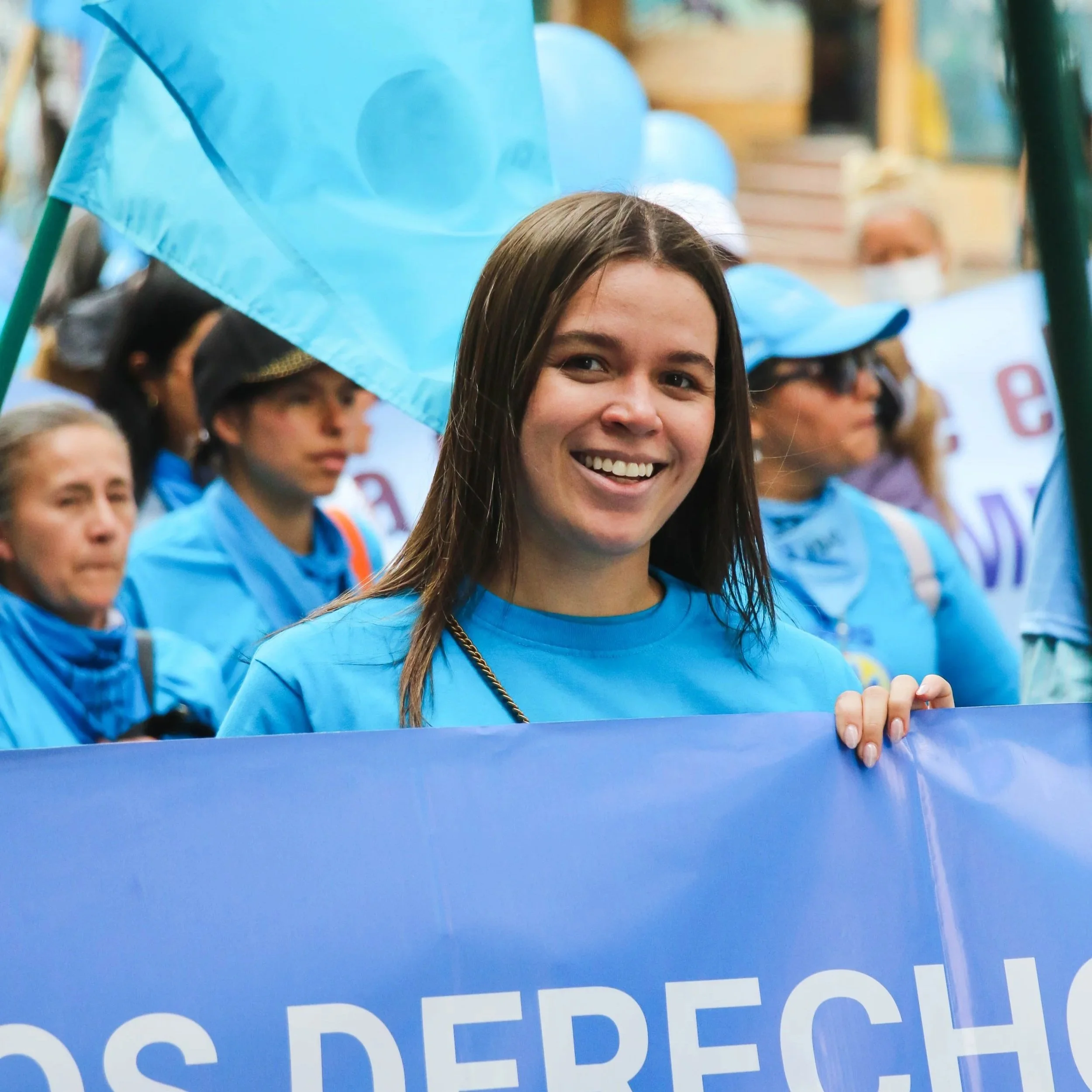
IYc Co-Director Daniela Garcia at the March for Life in Bogotá, Colombia
Snapshot: Marches for Life Around the World
While every March for Life shares the same core vision and hope, that people will recognize the value of life in the womb and protect it, each event has its own way of sharing this message and encouraging participants to speak up for life. Each year, Marches for Life are built on a theme that reflects their respective regional contexts and the national conversations most timely and relevant to the cause. One March might focus on bringing about cultural change through community building and emboldening people to speak up on the harms of abortion, while others might focus on legislative protections or emphasizing tangible support for mothers in need.
We’d love to bring some of those experiences to you. This month, IYc colleagues and friends shared some of their impressions about the Marches for Life in Colombia, Croatia, and Canada!
March for Life, Colombia
March for Life, Colombia
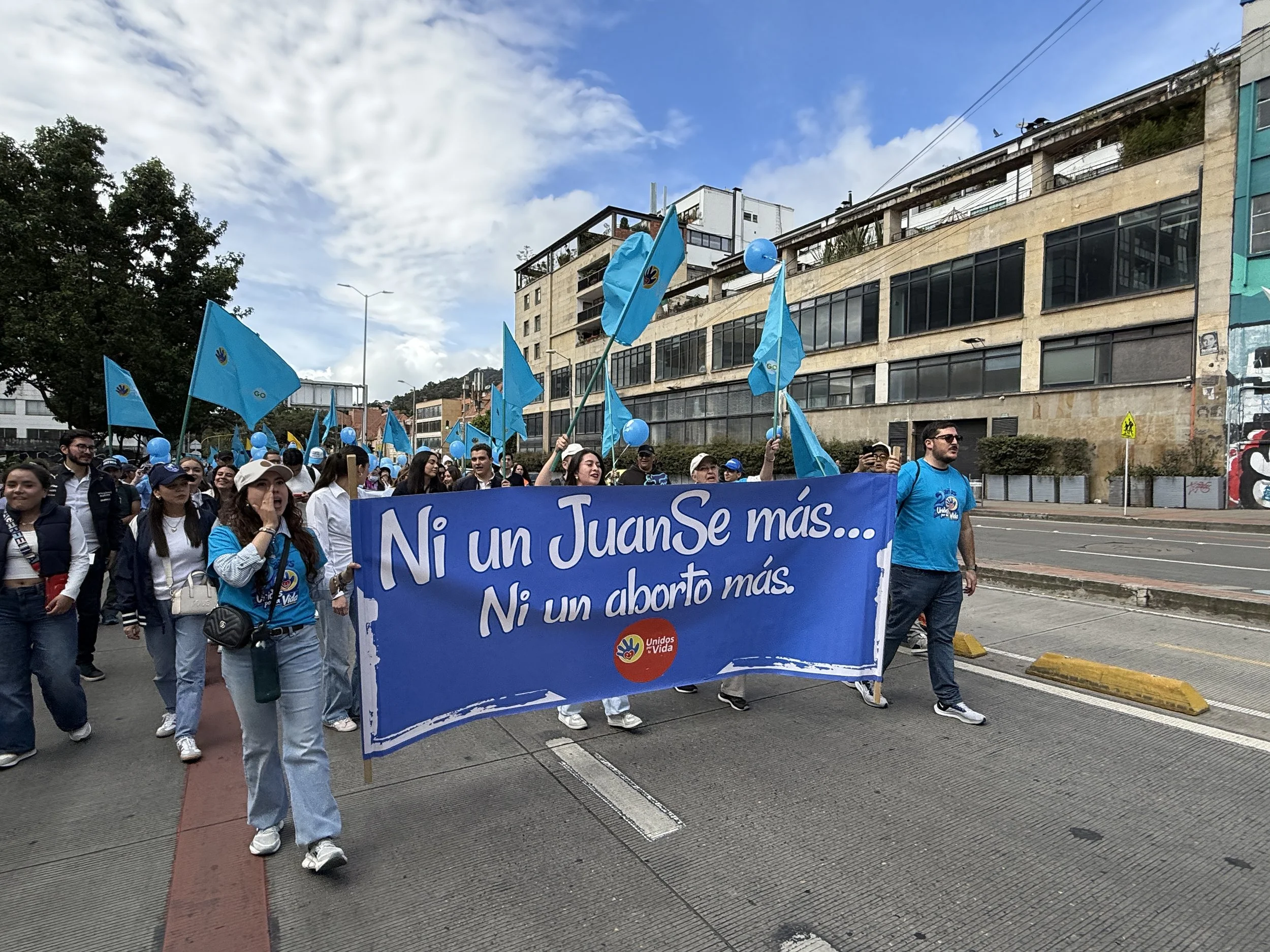
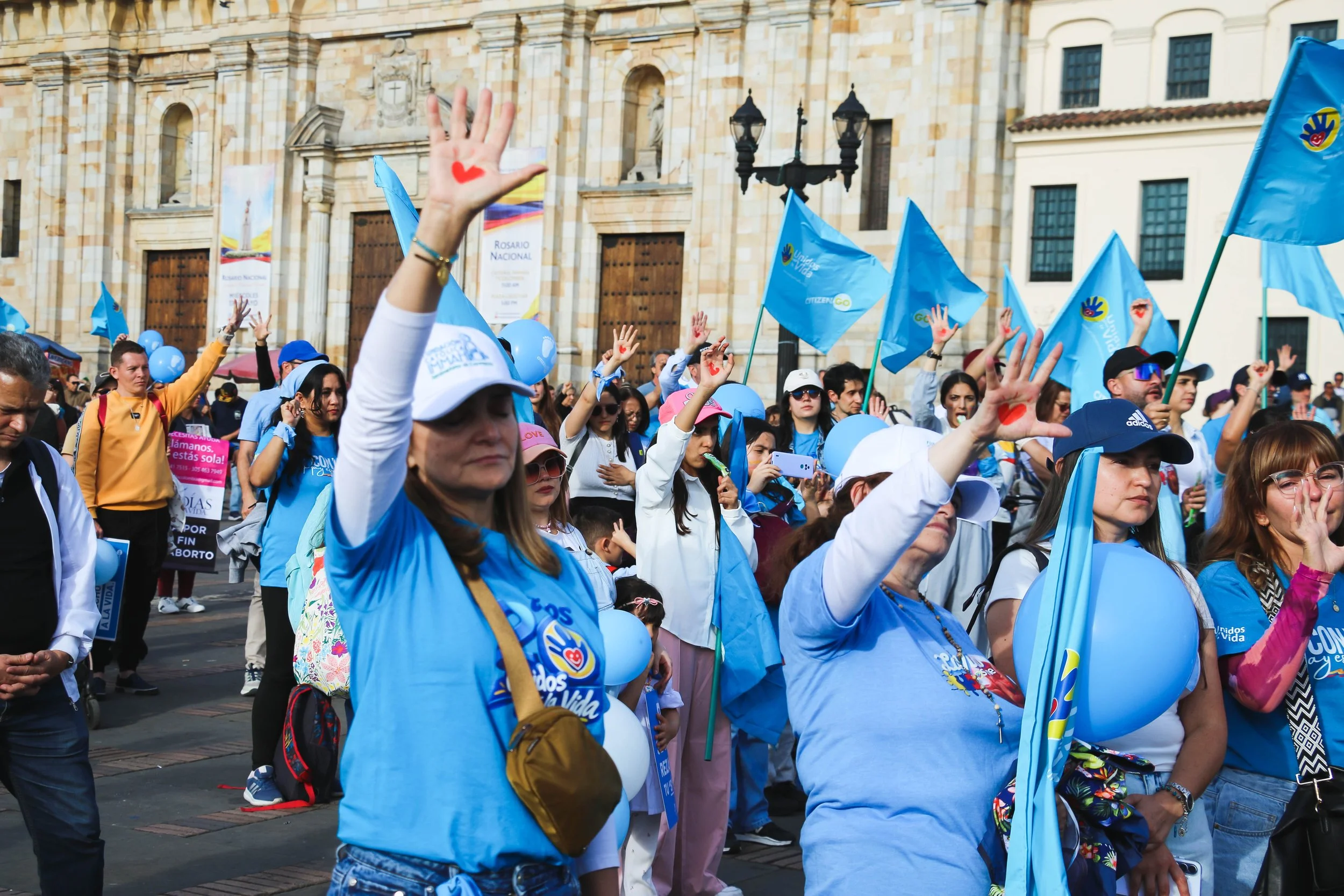
On May 23rd, IYc Co-Director Daniela Garcia joined the March for Life in Colombia, her home country. Daniela shared that this year’s March marked its 20th anniversary and that it was celebrated simultaneously in more than 30 towns across the country.
She said that despite abortion and euthanasia being legal in Colombia, “we march with the conviction that, as with the overturning of Roe v. Wade, laws can change in favor of life.”
“What truly inspires me is the wave of young people I see each year. After 20 years, their growing hunger to defend something beyond themselves affirms that history can shift, and so can hearts,” Daniela continued.
“This year’s March for Life was more than symbolic; it felt decisive. On May 31, Colombians head to the polls for the presidential elections, and for many of us, the stakes could not be higher. President Gustavo Petro has openly supported abortion, and Iván Cepeda, the candidate representing the continuation of Petro’s political project, follows the same path. In Colombia, choosing a president now also means choosing the future of the fight for life and the possibility of reversing the abortion rulings that fully decriminalized abortion in our country back in 2022.”- Daniela Garcia
“One moment that deeply moved me,” Daniela says, “was seeing a billboard that read Not one more Juanse. The phrase refers to Juan Sebastián Medina, a seven-month-old unborn baby aborted in 2020. For many Colombians, his case became a painful symbol of how far the culture of abortion has gone, and a reminder that behind every statistic there is a human life worth defending. This is why we march.”
“I love attending the March for Life. I have been part of the pro-life movement for eight years, and sometimes it is easy to lose perspective in the middle of the daily battles. But seeing the “blue wave”, the color that represents the pro-life movement across South America, is a powerful reminder that the heart of our continent still beats for life.”
- Daniela Garcia
March for Life, Colombia
March for Life in Zagreb, Croatia

March for Life, Zagreb
In an exchange with IYc, Željka Markić, the national coordinator of the March for Life in Croatia, shared that throughout May, June, and September 2026, Croatia will host Marches for Life almost every weekend in different cities throughout the country. On May 9th, they held the March for Life in Zagreb, Croatia’s capital. The theme was “The first step is the law. Life is a gift, let's protect it with a just law!”
One of the March leaders shared they are walking to “demand that just policies and laws protect every human life – from its beginning to its end” and that “it is time for social dialogue and laws based on science and humanity , not on the interests of personal comfort” based on a vision that sees the right to life as “a fundamental human right and a prerequisite for all other human and women's rights.
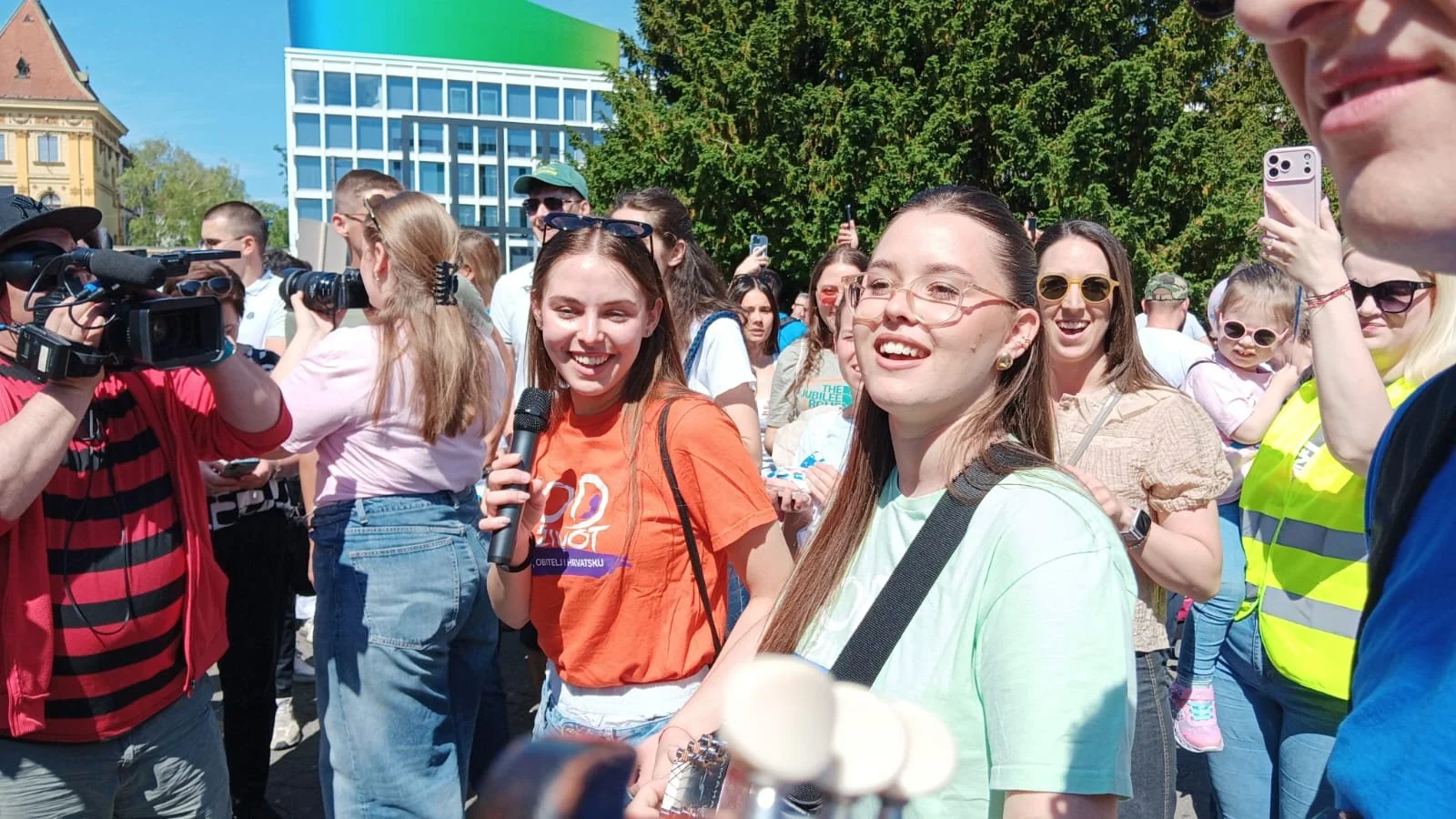
March for Life, Zagreb
The first testimony came from a 28-year old woman named Elena who encouraged young women who are pressured to undergo abortion to have the courage to choose life. Being once in such a situation herself, Elena shared:
“The whole world rose up, advising me to destroy that life under my heart. I literally ran away at the last minute from the table of a private clinic. I didn't do it. Then, and all these years, Alberta stood by me , encouraging me and telling me that the life I carry under my heart is the greatest gift! She believed in me then, as she still does today. My daughter Leona was both my motivation and strength, I studied with her, I created a more beautiful world for her.”- Elena
Another testimony came from a couple who adopted three children. They spoke about the blessings and life-lessons that come with navigating family life, with its challenges and complexities, and encouraged couples who are considering adoption but feel fearful, to not let fear dictate their decisions:
“We dare to say that we consider our family story a happy one because it was not born in the shadow of fear . In fact, our decision was to surrender completely to God's will. How many children, at what age, whether we would have exactly the amount of resources that is considered socially acceptable for adopting a child – we really didn't think about that at the time [...] We like to point out that our family togetherness is proportional to the challenges and difficulties we encounter. We encourage each other, we help each other, we jump in as much as we can to each other's obligations, we endure smaller or larger sacrifices, we try to make our daily lives easier. At the same time, we do not avoid the burden of the cross . We also see it as an opportunity to surrender to God's further action and management.”- Ana Sredić
The March in Zagreb was held as part of a broader effort to promote protection for life in the womb, as well as family life.
March for Life, Canada
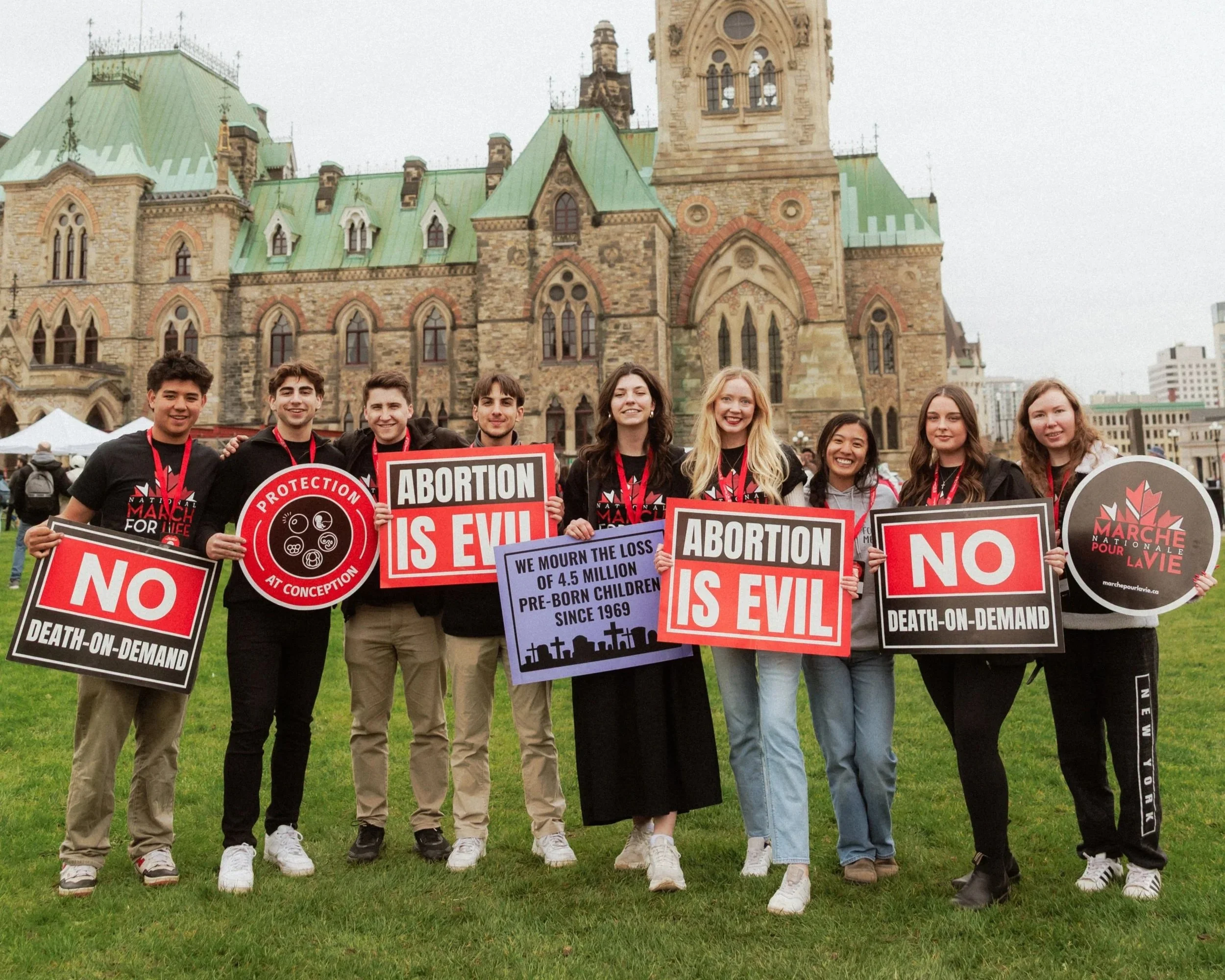
Credits: Campaign Life Coalition
Moving on to North America, May 14 marked Canada’s 29th national March for Life, held in Ottawa.
Our friend Kim Heardley, Youth Coordinator at Campaign Life Coalition, the host of the March for Life in Canada, shared with IYc that the March saw around 3,000 attendees, followed by a youth summit attended by almost 300 people ages 14 to 29. Kim shared that they invited inspiring speakers such as Rebecca Kiesling, who spoke about the dignity of all human life in the womb, and Laura Klassen, founder of Choice42, a non-profit running various pregnancy support programs, including for baby registry and rent, grocery, medical bill, or babysitting support. The summit also had breakout sessions, one of them touching on the profound harms of euthanasia, which is legal in Canada, including by its expansion to those who are mentally ill.
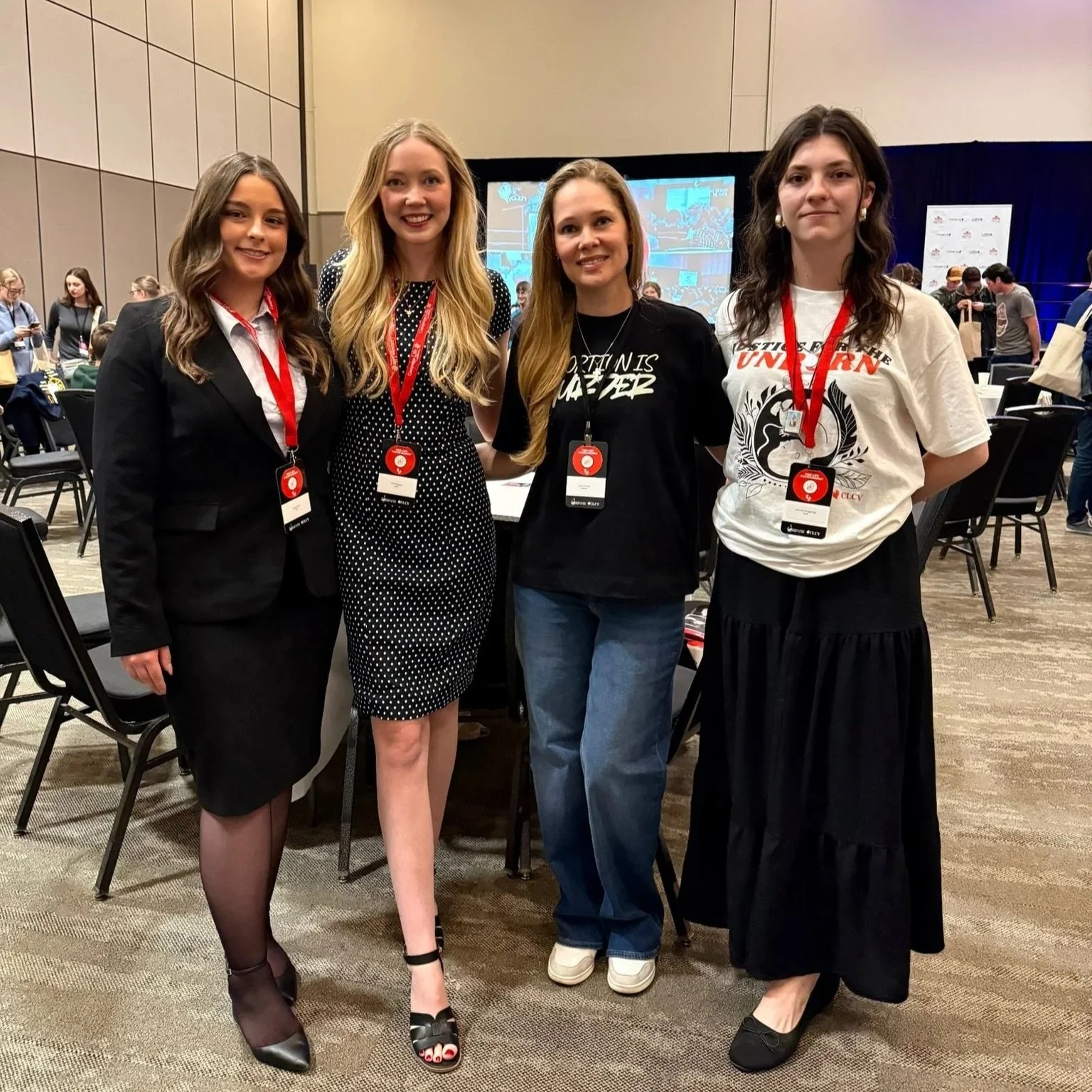
Credits: Campaign Life Coalition
“We want to equip our youth in Canada to be able to talk about these issues,” Kim continued.
Kim told us that the number of young people involved in the movement is growing and that “young people are finally realizing that this issue is heartbreaking and it is a genocide that’s happening in the world and that’s not going to go away by just having the position that abortion is wrong. We need to be actively doing something about it.”
Some young people, as was the case with Frida Espinosa, traveled from abroad to attend the March in Ottawa. Frida came from Mexico and described the atmosphere at the March as being one of “hope.”
“Coming from the context of Mexico, it was incredibly moving to see so many people gathered on a weekday, traveling from different cities to stand against abortion,” Frida continued. She said it was meaningful to see faith “playing such an important role” in people's motivations to march.
“It fills my heart to see people fighting for the same cause in different languages, yet always with the same passion and conviction. It makes me so happy to know that we are thousands, and that regardless of location, there are still people willing to stand up and fight for the most vulnerable.”- Frida
Commentary: The WHO seeks to silence independent voices
While grassroots pro-life advocacy is gaining momentum, UN agencies continue to create and amplify misleading narratives on sexual and reproductive health (SRH) for youth. The overarching majority of their SRH youth programming is meant to distract from the core issue at hand: that the destruction of human life in the womb is, in fact, the denial of the most fundamental right of all, the right to life. Their SRH discussions and materials begin with the premise that such life is worthless unless it is wanted. That is, it has no intrinsic value. Young people are then mobilized to join advocacy initiatives built on questions they were intentionally distracted from engaging with.
We will now unpack some problematic information shared at a WHO webinar on misinformation and disinformation related to SRH.
An unnecessary burden for pro-lifer advocates is having to constantly define our terms. People and institutions seeking to promote abortion, for instance, have co-opted language such as “sexual and reproductive health” to promote a vision of women’s empowerment that is contingent on them accessing abortion services and comprehensive sexuality education.
The webinar promoted:
The creation of a WHO fact-checking platform on SRH
Encouraging global and national initiatives to monitor public discourse on SRH (social media, traditional media, in-person conversations) and target people with tailored messages
Positioning the WHO as the primary authority on SRH and reinforcing established narratives, noting that independent online content that challenges mainstream perspectives should be combatted.
Why this is problematic:
Surveillance: The guest speakers criticized "surveillance efforts” led by authoritarian regimes while at the same time calling for the expansion of “social listening campaigns" (that would essentially monitor social media platforms, traditional media, and even offline spaces on SRH) to shape public belief and thought in a direction that is favorable towards abortion and comprehensive sexuality education.
Silencing independent voices: The WHO expressed concern about online voices that challenge the organization’s positions, including those discussing the negative effects of hormonal birth control. The WHO aims to address these perspectives through its verified content, as it did during the COVID vaccination campaign. By establishing a fact-checking platform, the WHO positions itself as the primary authority on medical and moral questions related to SRH.
Conflating morality with science: The WHO and its partners have repeatedly blurred the distinction between their scientific responsibilities and decisions regarding the morality of abortion and comprehensive sexuality education. These are not matters determined by science. Science can inform us about biological facts, such as when human life begins, but moral, philosophical, and religious perspectives shape opinions on abortion. These perspectives fall outside the scope of their scientific expertise.
This month's Stories from IYc Members and Friends 🗞
How The Instagram Algorithm Psy-Ops You Into Staying Single For Life “Social media pushes trends that market the feminist lifestyle while concealing its costs”by Liana Graham for The Federalist
Repentance and Forgiveness in a Pornified Age by Liana Graham for First Things
We Still Want Marriage. We Just Forgot Why It Matters. “New research reveals a generation that desires commitment but is quietly dismantling the very foundations that make it meaningful.” By Mattea Merta via Substack
The Full Circle of Care: Protecting the Family Includes Protecting Our Elders “Lately, there has been a lot of focus on supporting families and Christian values, especially around topics like sexuality, abortion, sexual trafficking, and education. However, we should also remember that caring for families means protecting our elderly from harmful practices like assisted suicide and widespread institutional care.” By Rosemary Dwyer for IYc
Blogger’s Brief: Halting Mail-Order Abortion Pills and the Comstock Act “Earlier this week, the 5th Circuit Court of Appeals sided with Louisiana in its lawsuit against the FDA, calling for the abortion pill Mifepristone to no longer be shipped by mail. This is an important win that could save many lives over time. However, some clinics are now mailing misoprostol to act as an abortifacient.” Read the brief comment by Blogger Sebastien Ostertag for IYc
Top 4 Ways Gen Z Is Changing the Pro-Life Movement “Last week in Ottawa, Canada’s March for Life week of events brought together thousands of pro-life individuals from all over the country. Each event that took place encompassed its own purpose, but one common pattern stood out: Gen Z was heavily present, and are shaping the atmosphere.” Read Hailey Smith’s blog for Campaign Life Coalition here.
In The News…
UN Experts Ask for Prosecution of P*rn Platform “Two UN human rights experts are raising the alarm about how pornography sites, technology platforms, and payment networks are causing the exploitation of women and girls.” by Rebecca Oas for C-Fam
EU Commission Wants Centralized Censorship “The all-powerful EU Commission has requested a feasibility study on ways to give it direct control over the flow of information and the development of software across all technology platforms in Europe. The study, published last week, found that censoring all content simultaneously across all technology companies in Europe is feasible.” by Stefano Gennarini for C-Fam
Other Resources:
“If the unborn aren't human...what are they?” by Campaign Life Coalition Youth via Instagram
Where are Europe’s Unborn Girls? By Prolife Europe via Instagram
The Environmental Impact of Birth Control Pills by Prolife Europe via Instagram