Rome’s March for Life, African Family Values, and Victory at the OAS
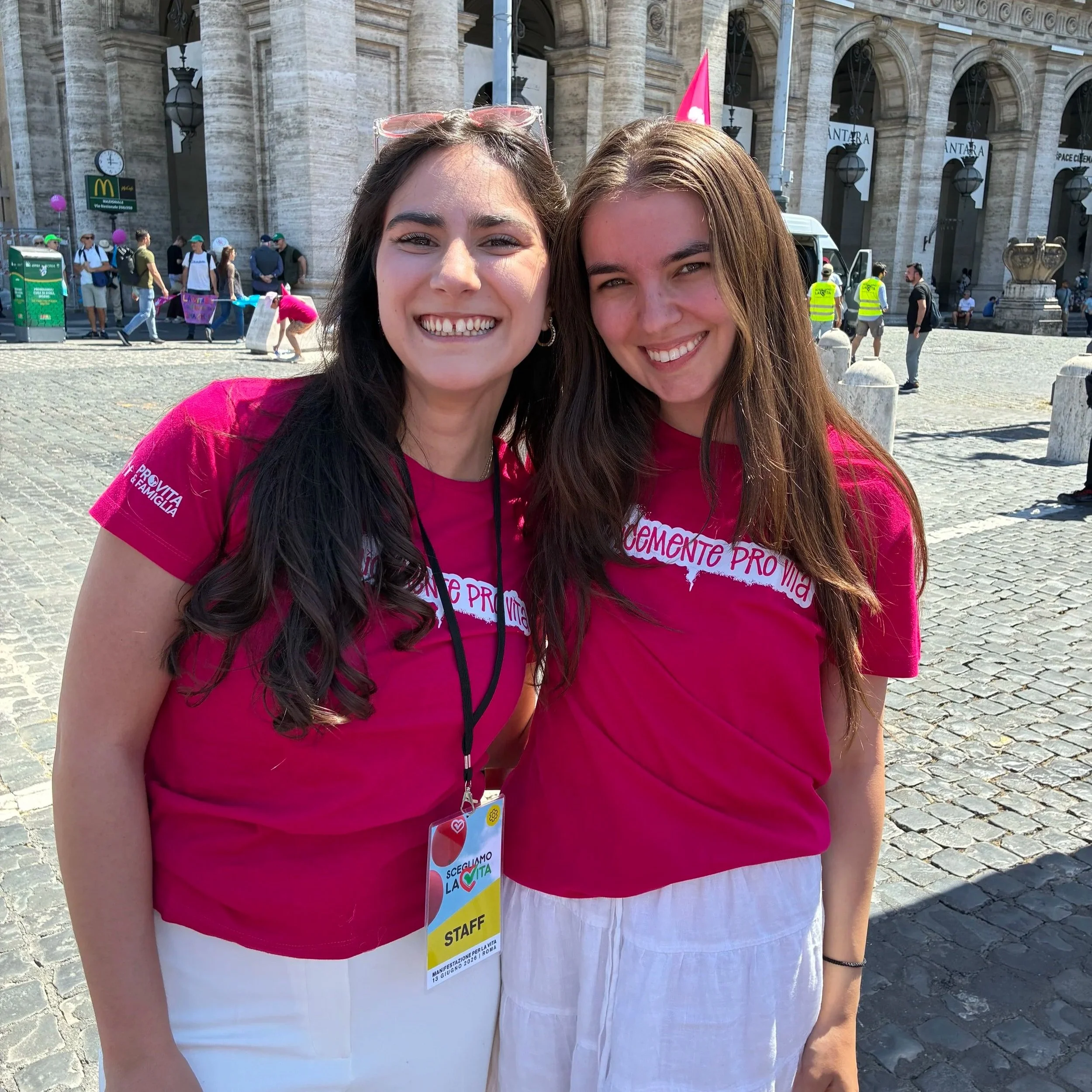
Olimpia Galiberti, Youth Organizer at the March for Life in Rome & Iulia Cazan, IYc Co-Director
The March for Life in Italy
On March 13th, we had the tremendous opportunity to join the March for Life in Rome. This year, the march focused on denouncing the cultural normalization of euthanasia and assisted suicide. While there is no national law on euthanasia/assisted suicide, the Italian Constitutional Court decriminalized assisted suicide in 2019 and left it to parliamentarians to create “a clear legal framework” for the procedure. In 2025, Tuscany became the first Italian region to enact such a law, sparking uproar among the pro-life community.
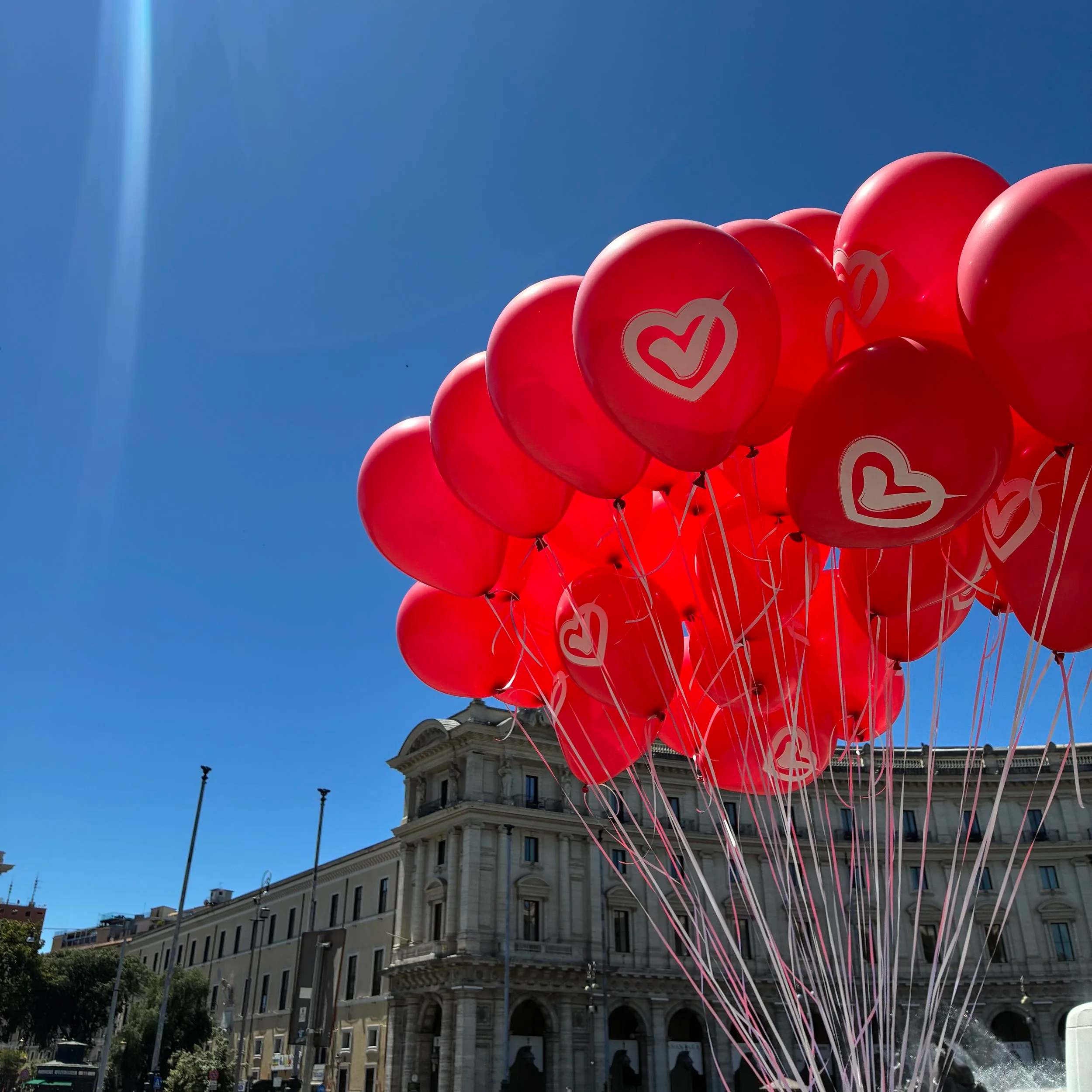
Held in the very center of Rome on a warm and sunny Saturday, the March was attended by thousands. It began from the scenic Republic Square (Piazza della Repubblica) and concluded at the Basilica of St. John Lateran (Basilica di San Giovanni in Laterano). The March felt very welcoming and lively. We found ourselves among a diverse mix of attendees: older pro-life adults, nuns who had traveled from the United States, young Italian families with their children, and an energetic crowd of young people.
Besides the interventions and a main-stage event, the March featured a moving truck with music, dancing, balloons, testimonies, and keynote addresses from organizers. We were pleasantly surprised to see many Italians and tourists show sympathy towards the rally as they walked by.
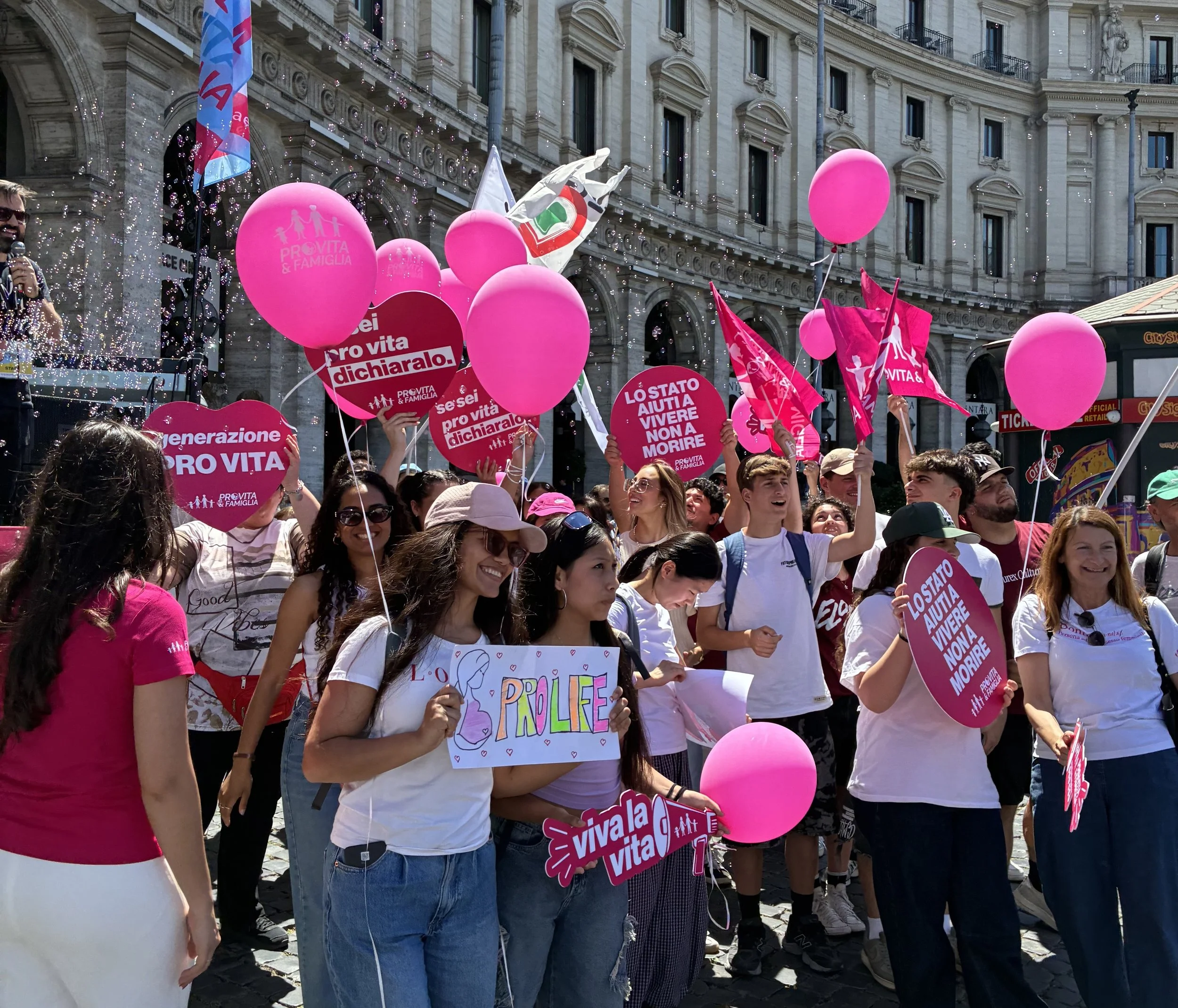
When we talked to a group of young people, several of them said being pro-life is being pro “humans, rights, future, and family” and that if they were to describe the march in one word, they would say “festive, progress, joy, revolutionary, and happiness.”
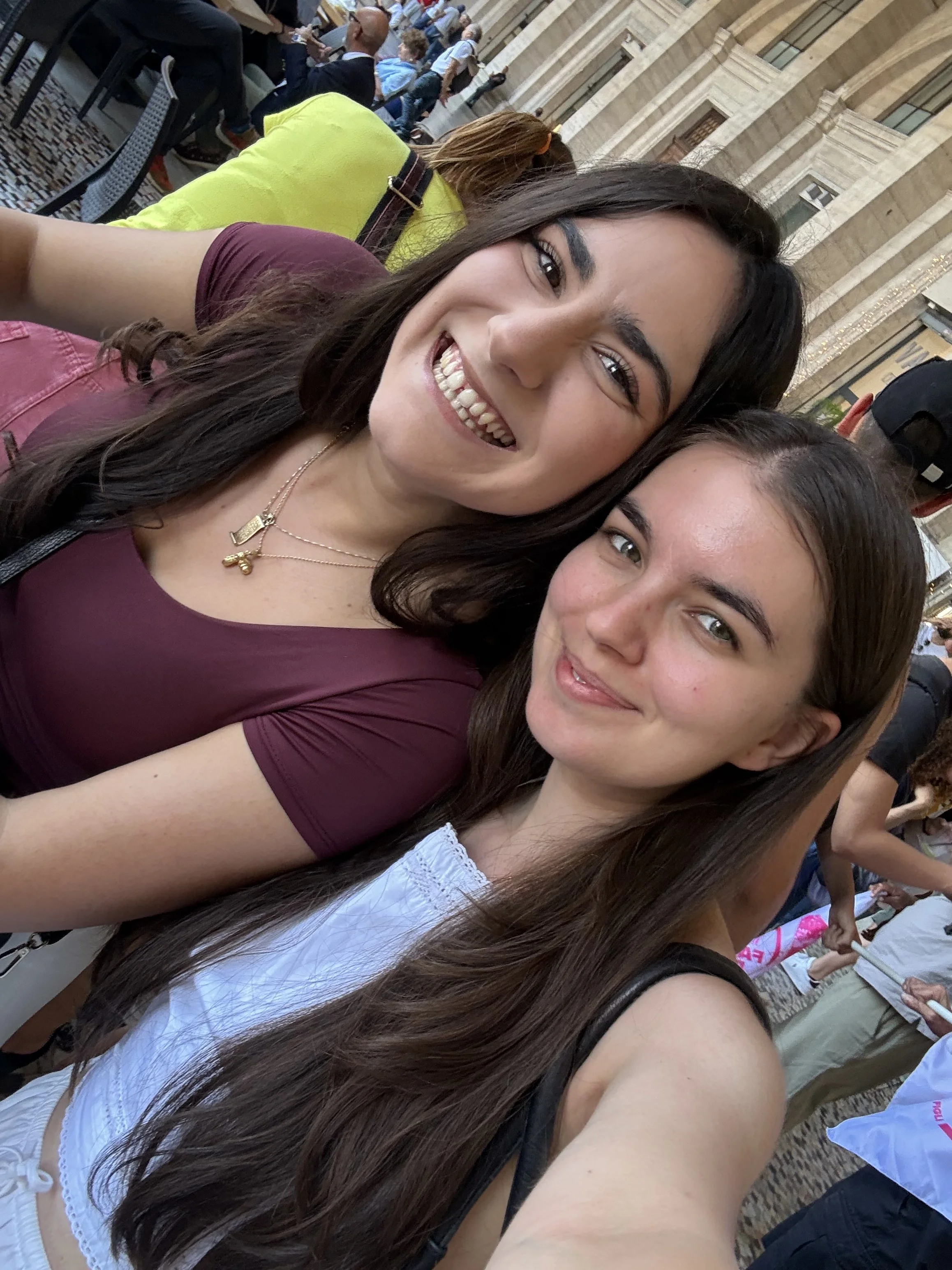
Olimpia Galiberti, IYc member and friend, was the youth leader of the March. Moments before she had to join the stage, Olimpia sat down with IYc and told us about her involvement in the March for Life and the broader pro-life cause in Italy.
What made you want to join the pro-life movement?
“When I think about why a young person should say something about abortion, I remember that one-third of our Gen Z generation is aborted and that number is something that drives me crazy and drives me to fight for this cause. I don’t want this for the next generation, and I have to take responsibility for this, to do something in the private and in the public sphere, whatever, but do something.”
Why do you think that the pro-life message is resonating more and more with young people?
“I believe that with social media, young people are exposed to everything. You’re exposed to good and bad [...] this generation is awakening more and more, thanks to social media, which exposes the bad and the good. Many people are saying ‘I know this is a life and it is not good to abort it.’”
What do you have to say to young people who could not come here today for the March for Life?
“March for Life is one day out of 365 days, and it represents unity. But the movement for life is made of people who may not be part of any organization but make a difference in their everyday life, with small choices, small and concrete help, so I really think that we are so much more in Italy than is represented here in Rome on the 13th of June, and this is actually even more exciting. There is a silent majority here in Italy that knows what abortion is. Even though abortion is legal, not everything legal is moral. The law is still questionable.”
What is one misconception that you believe people have today about the pro-life movement?
“That we are all medieval people that live like 1000 years ago, that we do not live in reality, that we do not know what the actual problems are for women, children, and that come with having children. We are pro-life because we understand the difficulties of bringing life into this world. Because we know the difficulties, we want to stand and help them concretely. We know these difficulties can be solved through concrete help.”
What is your vision for the pro-life movement in Italy in 10 years?
“An Italy where there is no longer a strong contradiction, looking at the pro-life as one [the baby] against the other [the mother]. The pro-life cause is a cause that should put people together, should put the child together with the woman [...] We want to see a society where the pro-woman approach does not eliminate the child of the woman but helps the woman have the child and be helped by the state and not accused of having a child.”
Sam George's powerful speech receives praise at the Inter-Parliamentary Conference in Africa.
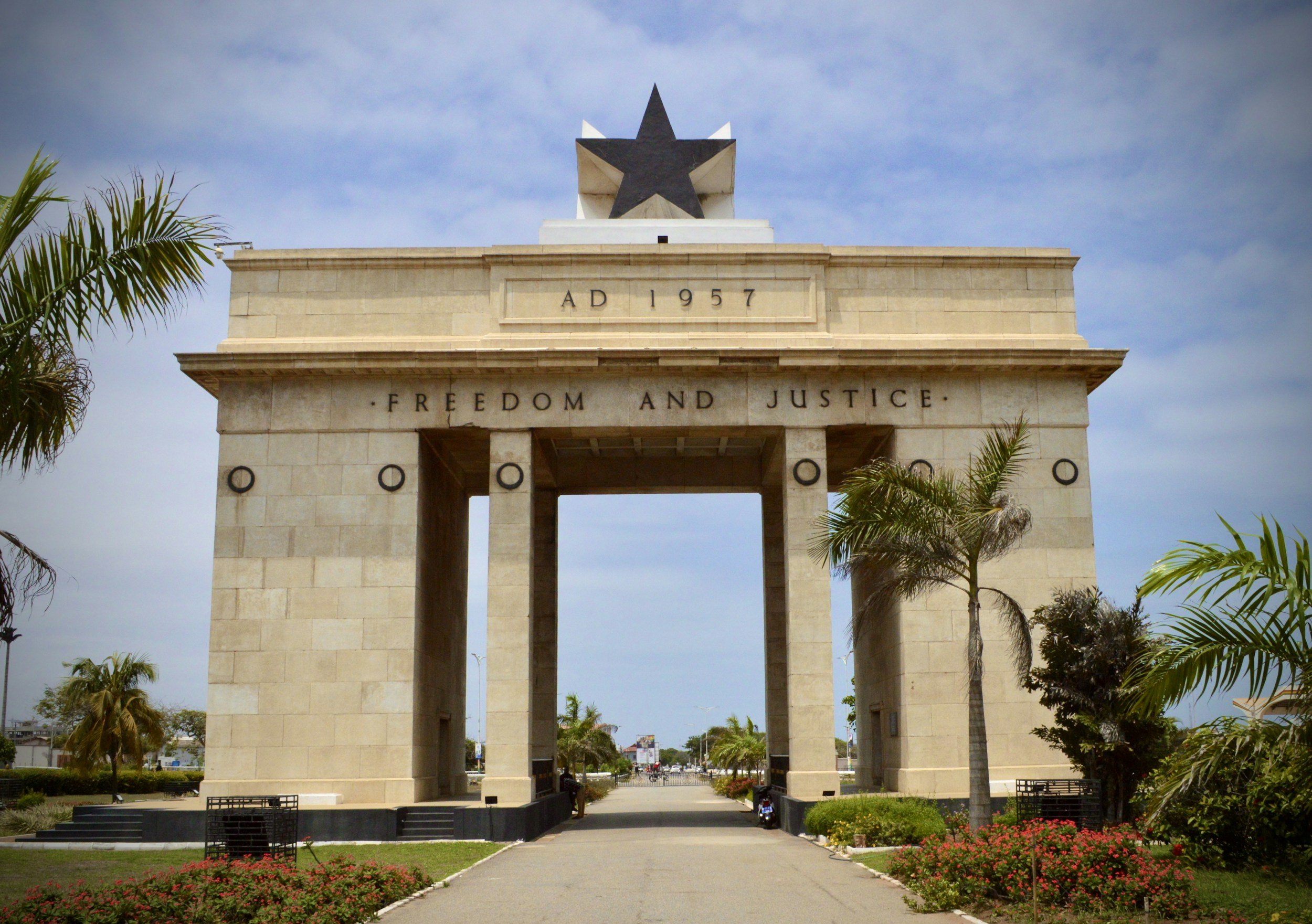
At an interparliamentary meeting held in Accra, Ghana, African lawmakers raised concerns over the "digital assault on youth” and called for guardrails to protect youth and family life.
Sam George, a Ghanaian minister, highlighted how technology alters daily family dynamics and urged parliamentarians to reclaim their legislative power from foreign agents and protect the next generation of Africans, saying, “The African family today is a proud institution that is under unprecedented digital assault.”
Mr. George spoke on the impact of technology on quality family time, sharing that “the 40% drop in family meal time” is correlated with smartphone usage. He also condemned early exposure and over-sexualization of youth given that “62% of African youths or teens [...] are exposed to p*rn*graphy online even before they turn 15” and that this affects their development, morality, values, and standards.
On ideological shifting and identity erosion, Mr. George spoke against digital platforms that have “inserted themselves as the primary socialization background for a whole generation” and “AI chatbots answering children’s questions about identity, s*x and religion without the African context,” which he saw as a "deliberate value injection.”
“Today, they have gender deconstruction. They have hyper-individualism and anti-family narratives online for our kids. And this is not accidental. It is intentional.”
Mr. George spoke on the need for adults, for lawmakers, to recognize the special duty they have to protect the next generation who “did not ask to be born into the digital age.”
OAS General Assembly
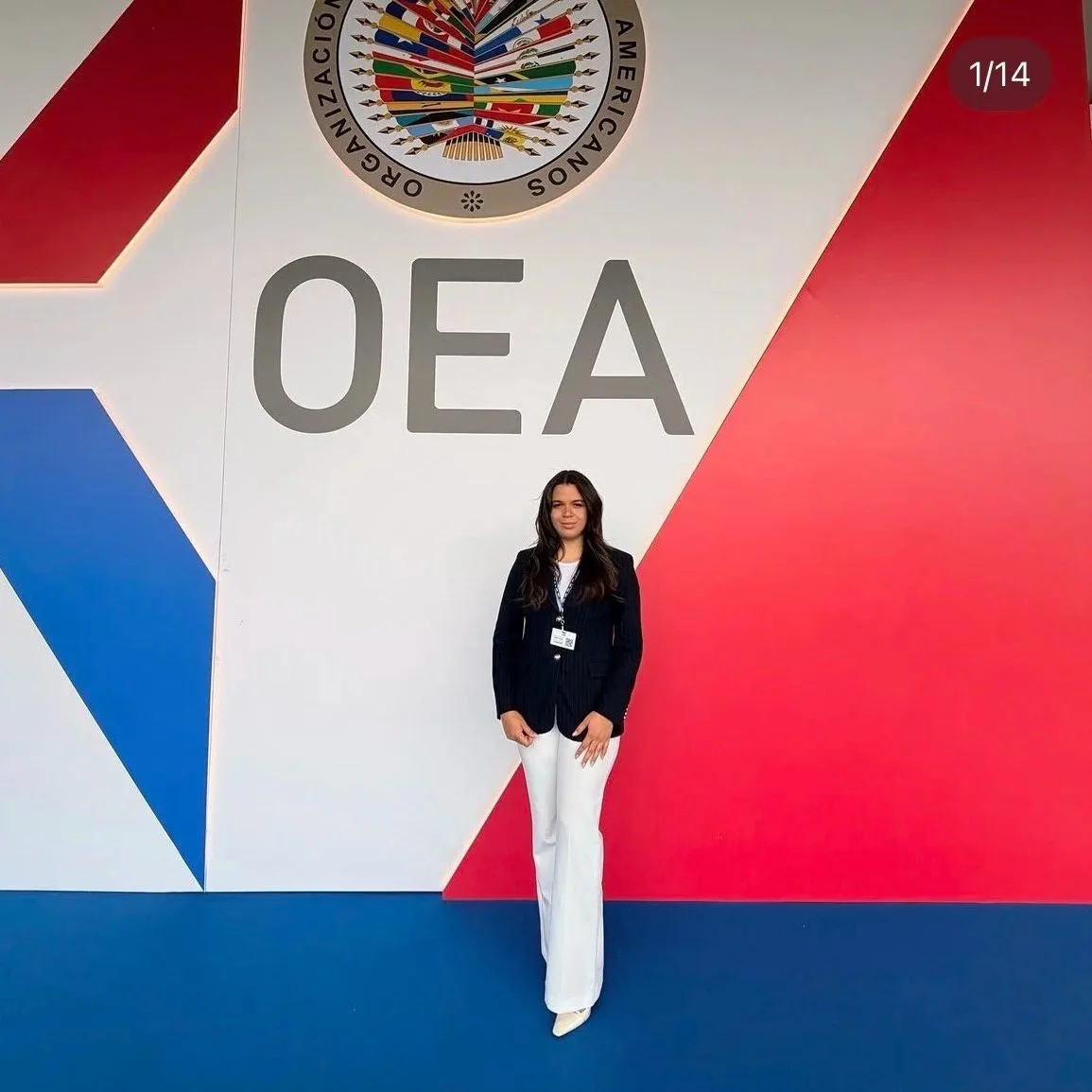
IYc Co-Director Daniela Garcia at OAS
This year, our Co-Director, Daniela García, attended the 56th General Assembly of the Organization of American States (OAS) in Panama. As the leading multilateral organization in the Americas, the OAS has increasingly become a forum where gender ideology and anti-life language are promoted through regional agreements. Daniela participated in the General Committee, where the final negotiations on the Declaration of Panama took place, one of the Assembly's principal outcome documents. Following hours of negotiations, however, Panama introduced a consensus-based proposal, and the Assembly ultimately adopted a neutral declaration that removed this ambiguous ideological language.
This outcome reflectsthe growing influence of a renewed conservative movement across the Americas, together with the consistent engagement of pro-life and pro-family civil society organizations. The final declaration represents an important step toward respecting genuine consensus among member states. We were encouraged to see that this year, the majority of the pro-life and pro-family civil society representatives were young people.
🗞 In The News…
C-Fam shared striking facts about abortion related Down syndrome diagnosis at a UN meeting on rights of persons with disabilities WATCH
Radical Health Expert Submits Final Report “After six years of using her position to promote abortion, gender ideology, and prostitution at the UN, the special rapporteur on the right to health submitted her final report to the General Assembly.” READ
Censored at the UN. Rocio D’Angela was cut mid-speech at the UN while warning against the election of Michele Bachelet as the next Secretary-General due to her support for abortion. WATCH
International abortion deception and Democrat complicity “Why are the Democrats defying the Hyde Amendment to support UN agencies?” READ
Ghana Emerges as Family Values Leader in Africa READ
The UN Special Rapporteur on Violence Against Women and Girls released a report flagging societal devaluation of motherhood and its negative impact on women. READ
Among other things, the report calls out:
The erasure of women and their unique biological reality through “gender neutral” terminology
Systems of exploitation such as prostitution and p*rnography
Coerced abortion through "abortion by mail”
Bill C-9, also known as the ‘Combatting Hate Speech Act ', was passed in Canada. It eliminates the "good faith" defense that previously protected religious speech under hate speech legislation. READ
This means:
Sacred texts and teachings could now be considered criminal if deemed hateful by authorities.
Pastors, teachers, and everyday believers are now vulnerable to prosecution simply for expressing sincere religious convictions.
Civil rights advocates warn this creates a chilling effect on free speech and religious expression across Canada.
Resources
Freedom of Speech & Abortion “Our freedom of speech is meaningless if we don’t use our voice to speak about the tragedy of abortion" from Pro-Life Europe on Instagram.
What to do when she says she’s pregnant and scared, a practical guide from Voice of Life on Instagram
Until It Ends: Take the 40-day pledge to end abortion “Live Action is calling on pro-life individuals to join a 40-day campaign on each anniversary of Dobbs v. Jackson Women's Health Organization — which reversed Roe v. Wade— committing to sacrifice, prayer, and action… until legalized abortion ends.” See it here