Marches for Life in Zürich and Berlin
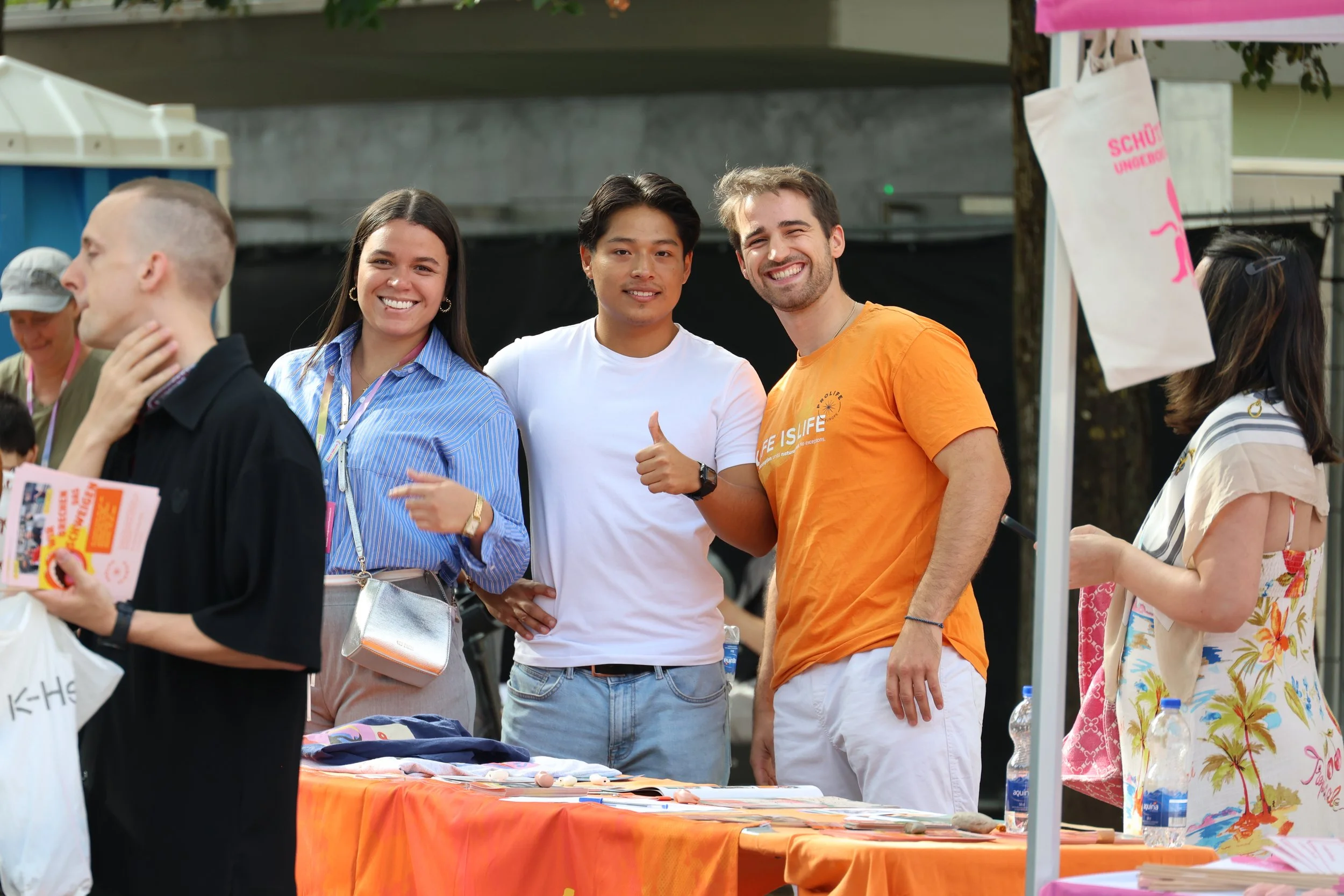
IYc Co-Director Daniela Garcia with two other pro-life advocates at the March for Life in Zurich
IYc Joins the 2026 March for Life in Zurich
On September 19th, IYc Co-Director Daniela García attended the 2026 March for Life in Zurich, Switzerland, which brought together more than 2,000 people, including children, young people, families, and older generations.
This year’s March focused on the role of men in supporting women facing unplanned pregnancies. Its message called on fathers to accept responsibility in relationships, support women, and protect their children's lives.
According to a Guttmacher Institute survey carried out in the U.S., between 30 and 48% of women who sought abortions cited a lack of partner support and/or relational issues as a reason. Integrating men into pro-life efforts matters because they play a unique role in their relationships and families. However, such integration cannot be merely declarative. It is not enough for men to present themselves as pro-life in the public square and national marches, although that is certainly important. Pro-life advocacy should be equally evident when trials and uncertainties hit one’s home or circle of friends.
When that is not the case, when men don’t recognize the unique responsibilities that come with becoming fathers and, out of fear, pressure women to undergo abortions or abandon them during unplanned pregnancies, that is a denial of responsibility that oftentimes leads to immeasurable harm, including the death of a human life.
At the march, one speaker mentioned,
“The first duty of a man is to take responsibility. To support, to listen, to protect. […] These two ideas must go hand in hand: the protection of the child and support for the mother.”
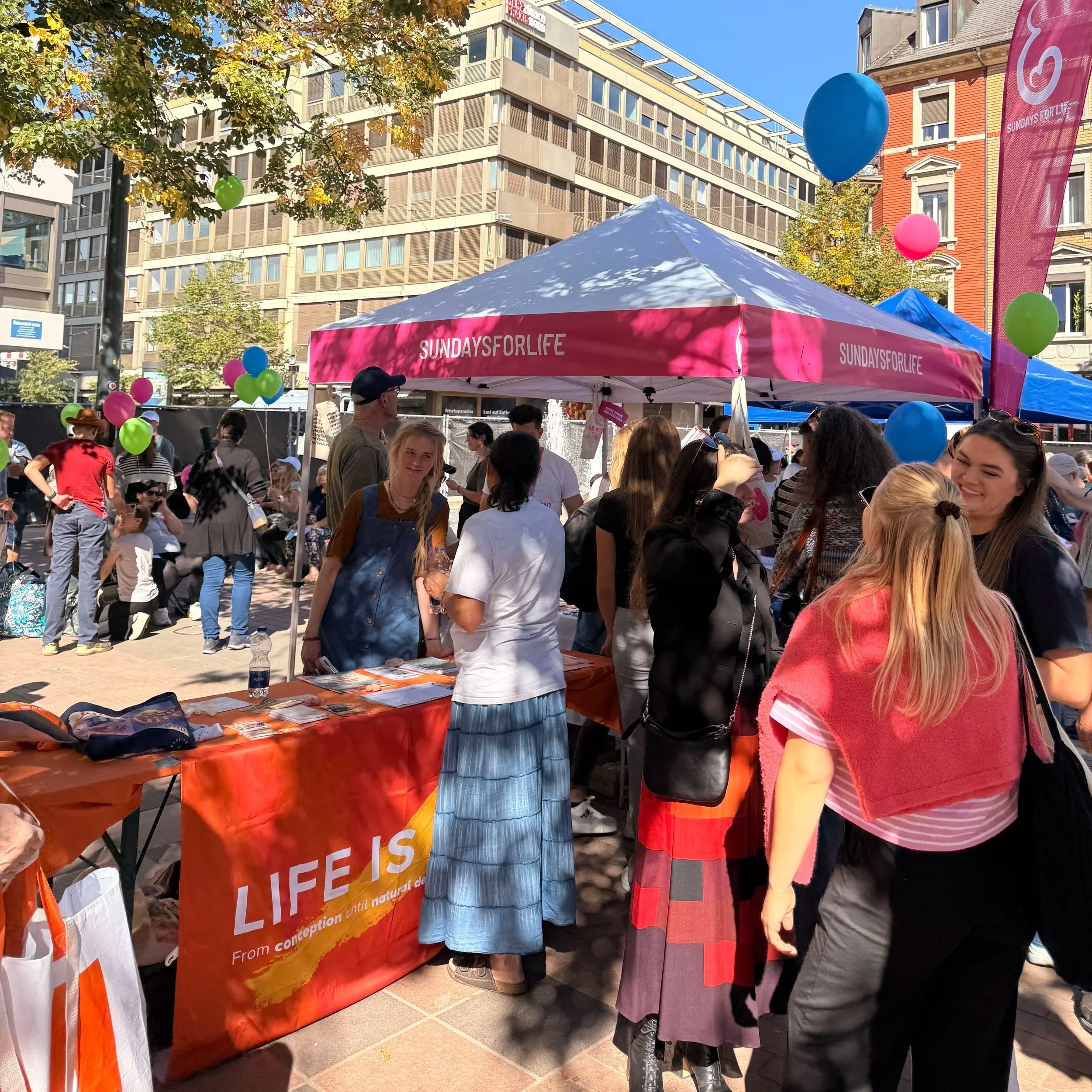
2026 March for Life, Zurich
Unlike most Marches for Life, the March in Zurich had to be held on the outskirts of the city, in the district of Oerlikon. For the sixth consecutive year, the government denied organizers permission to march through downtown Zurich, citing security concerns. Local police heavily guarded this year's peaceful procession as hundreds of masked disruptors tried to block the road.
In an exchange with IYc and reflecting on youth participation at the March, Tassilo Pilar de Pilars, a member of ProLife Europe in Switzerland, said,
“It is inspiring to see the courage of more and more young Swiss people who are stepping outside their comfort zones and choosing to become active in the defense of life.”
For Tassilo, the defense of life is also inseparable from the dignity of women, because “abortion is the ultimate exploitation of women.”
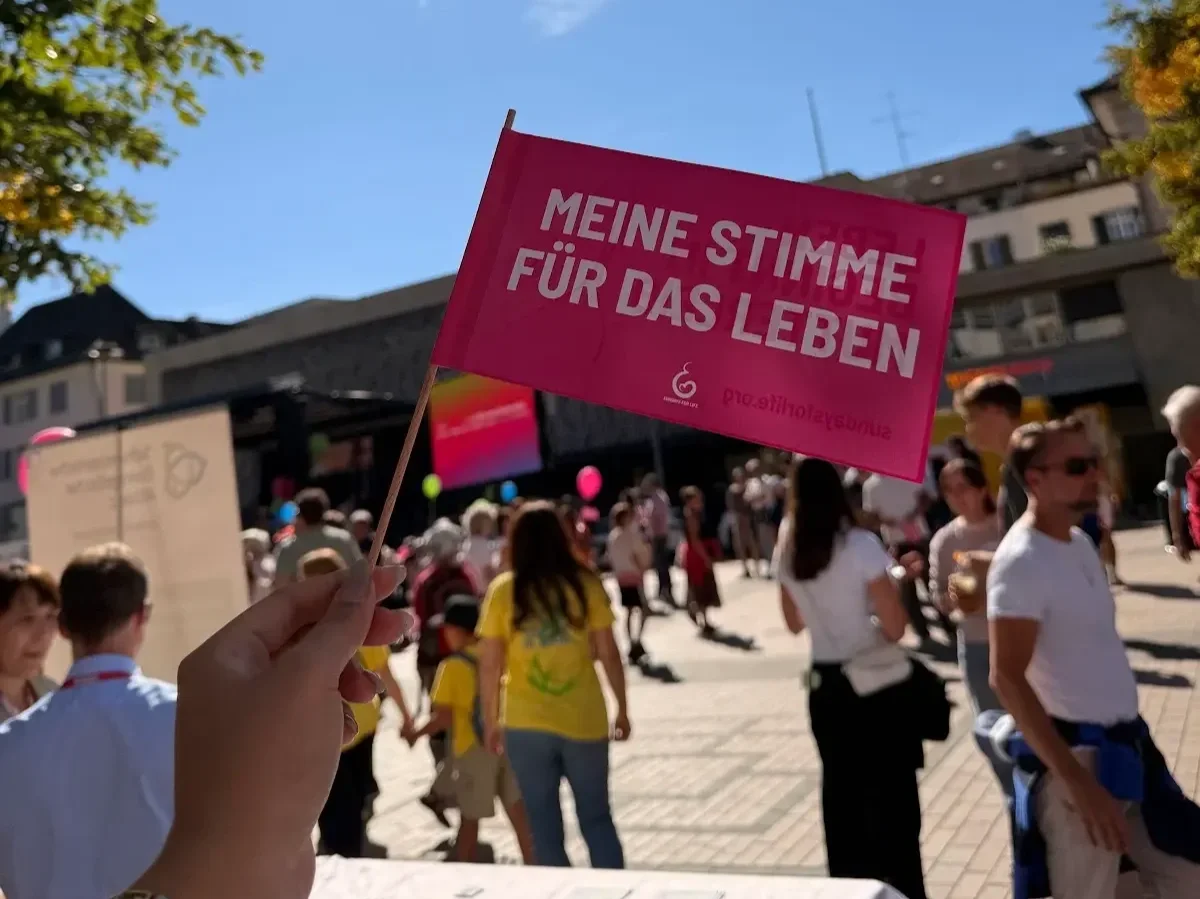
Flag saying “My voice for life”
Valentín León, a young Mexican who has lived in Switzerland for several years, was especially moved by the different generations represented at the March and their refusal to be intimidated:
“We need to defend life. It was beautiful to see everyone, from babies to older people, defending life and refusing to be intimidated by those who favor death and wanted to stop them.”
The March in Zurich showed pro-lifers’ decision to remain peaceful, joyful, and faithful to one’s convictions even when others attempt to push those convictions out of public life.
A society’s commitment to women is revealed not only in what it says about them, but in whether it stands beside them when motherhood arrives in difficult circumstances. This is the culture the March for Life is working to build.
Youth Leaders at the March for Life in Berlin
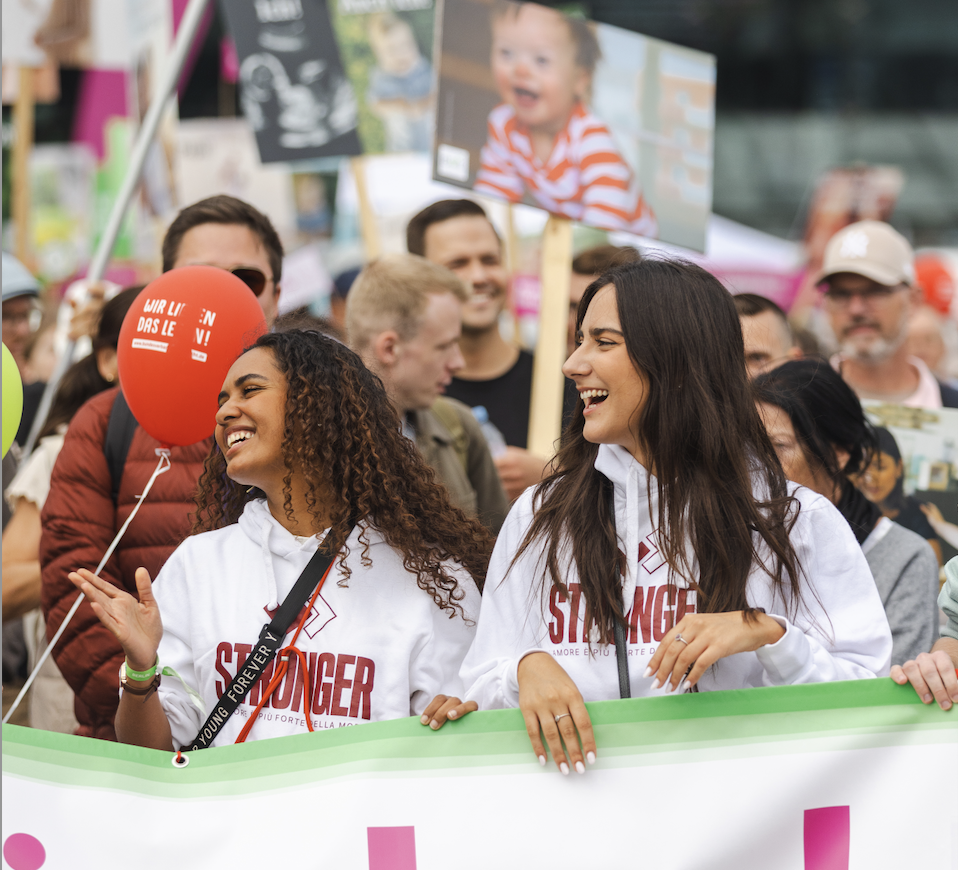
IYc member Olimpia Galiberti at the 2026 March for Life in Berlin
September 19th marked two European Marches for Life. Alongside Switzerland, Germany held its annual March in Berlin, with an estimated 2,000+ attendees.
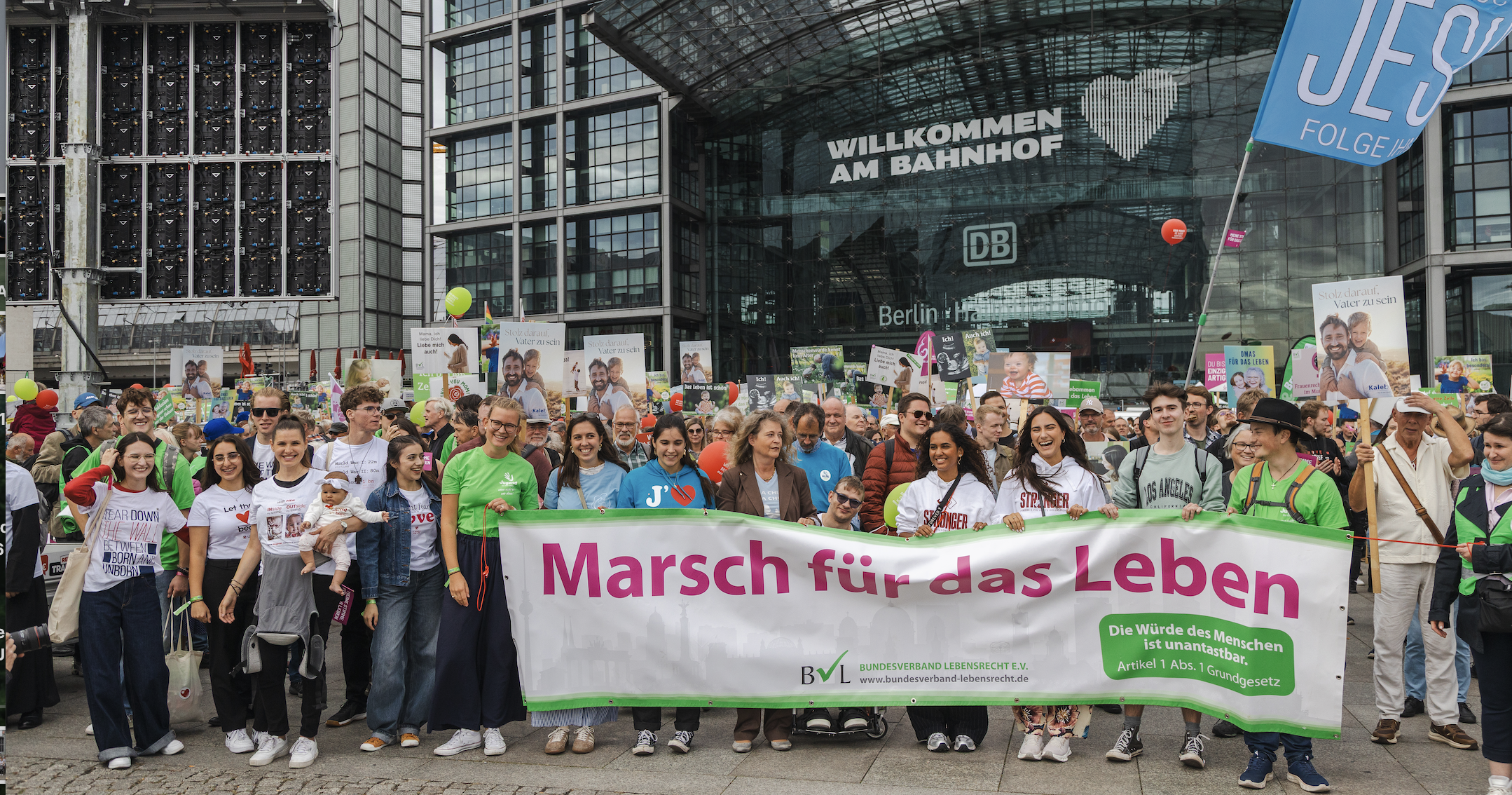
Photo of pro-life European youth leaders at the 2026 March for Life in Berlin
One of the main rally addresses came from Teodora Paul, a young pro-life activist and organizer of the March for Life in Romania, who urged people to recognize that abortion is one of the greatest human rights violations stemming from an ideological framework that categorically denies the humanity of babies in the womb.
To her, the Berlin Wall, which separated “brothers and sisters belonging to the same people” for over 28 years, symbolizes “what can happen when those who have power decide how much dignity, freedom and rights those without power are allowed to have.” Teodora paralleled such a wall with the illusory wall between the “born and unborn,” separating people into “protected humanity and disposable humanity.”
Teodora spoke of the human person as “the crown of creation” who receives dignity from the moment of their existence, the moment of conception. Teodora emphasized that such a wall between the born and unborn ought to be torn down and that can happen "only through love and grace.”
“Each person's love is the real power that can open a gate,” Teodora continued.
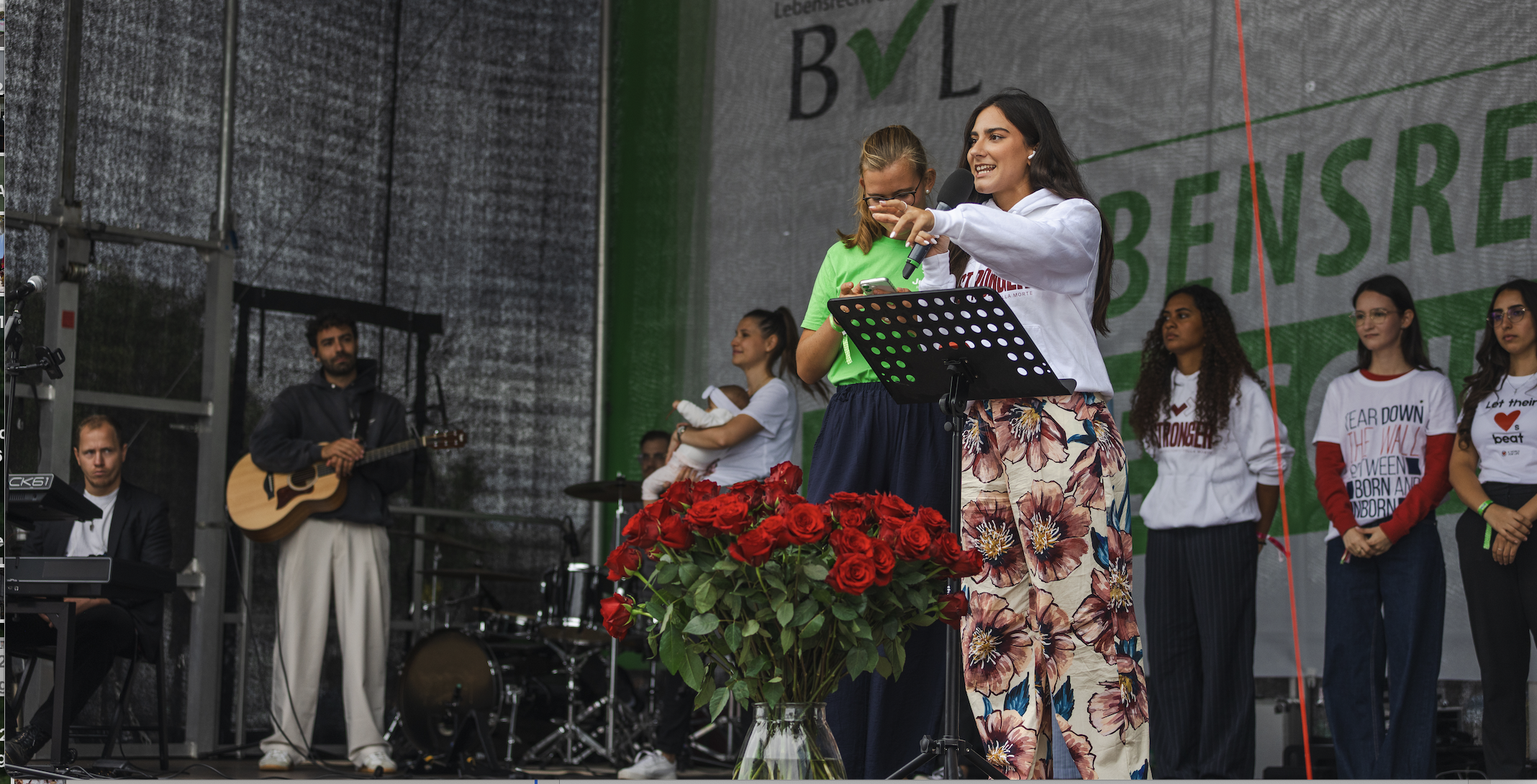
Olimpia Galiberti delivering remarks at the 2026 March for Life in Berlin
Another stage address came from Olimpia Galiberti, a lawyer and pro-life activist from Italy, who drew attention to the deceptive normalization of abortion among youth. We’ve included her speech below: 👇
“I will never forget that gynecologist who, on the day of my abortion, muted the ultrasound and turned the screen away from me.”
Do you know who said this?
A politician? A doctor? An activist?
No.
A young woman on TikTok.
And I thought: How did we get here?
How did abortion become so normalized that seeing an ultrasound, listening to a heartbeat, or simply talking about the unborn child can make people uncomfortable?
Hello Berlin!
I’m Olimpia Galiberti, Executive Director of Stronger, and I'm honored to be here representing Italy and a new generation of Europeans standing for life.
My generation is growing up with instant gratification, instant answers, instant solutions.
And abortion is often presented in the same way:
Don’t make it complicated. Don’t feel guilty. You can have a family later. Just move on.
But human life is not a problem to be solved.
And what frightens me most is silence.
Question abortion at school or university — you may be called backwards.
Enter politics and openly question abortion — and you will experience what being boycotted looks like.
Become unexpectedly pregnant — you may fear losing your career.
Refuse to participate in an abortion as a doctor — and your professionality becomes controversial.
For me, this is personal.
My father is a gynecologist.
And he is a conscientious objector.
Recently, an Italian politician said:
“As long as there are conscientious-objector doctors, the fundamental right to safe and free abortion will remain under attack and at risk.”
In Italy, 58.5% of abortions are chemical.
In Germany, chemical abortion is the number ONE abortion method in the country.
So when conscientious objectors are attacked, for me the real question is
Are we still willing to protect the freedom to think differently?
The procedure is becoming less visible.
But the numbers are not.
One third of Gen Z has been aborted.
One third.
So what is our answer?
Love them both.
The mother and her child.
There is no other way to build a future for the next generations than to build a society basis on everyone’s life protection and not on the progression of death methods.
And today, looking at you, Berlin, I have hope.
Speak when silence is easier.
Serve when nobody applauds.
And stand beside a pregnant mother when doing so costs you something.
And tomorrow, when you Berliners go to the polls, remember this.
Europe needs a generation that refuses indifference.
A generation that remembers:
Love bears all things, believes all things, hopes all things, endures all things.”
A Renewed Ambition for Women’s Health
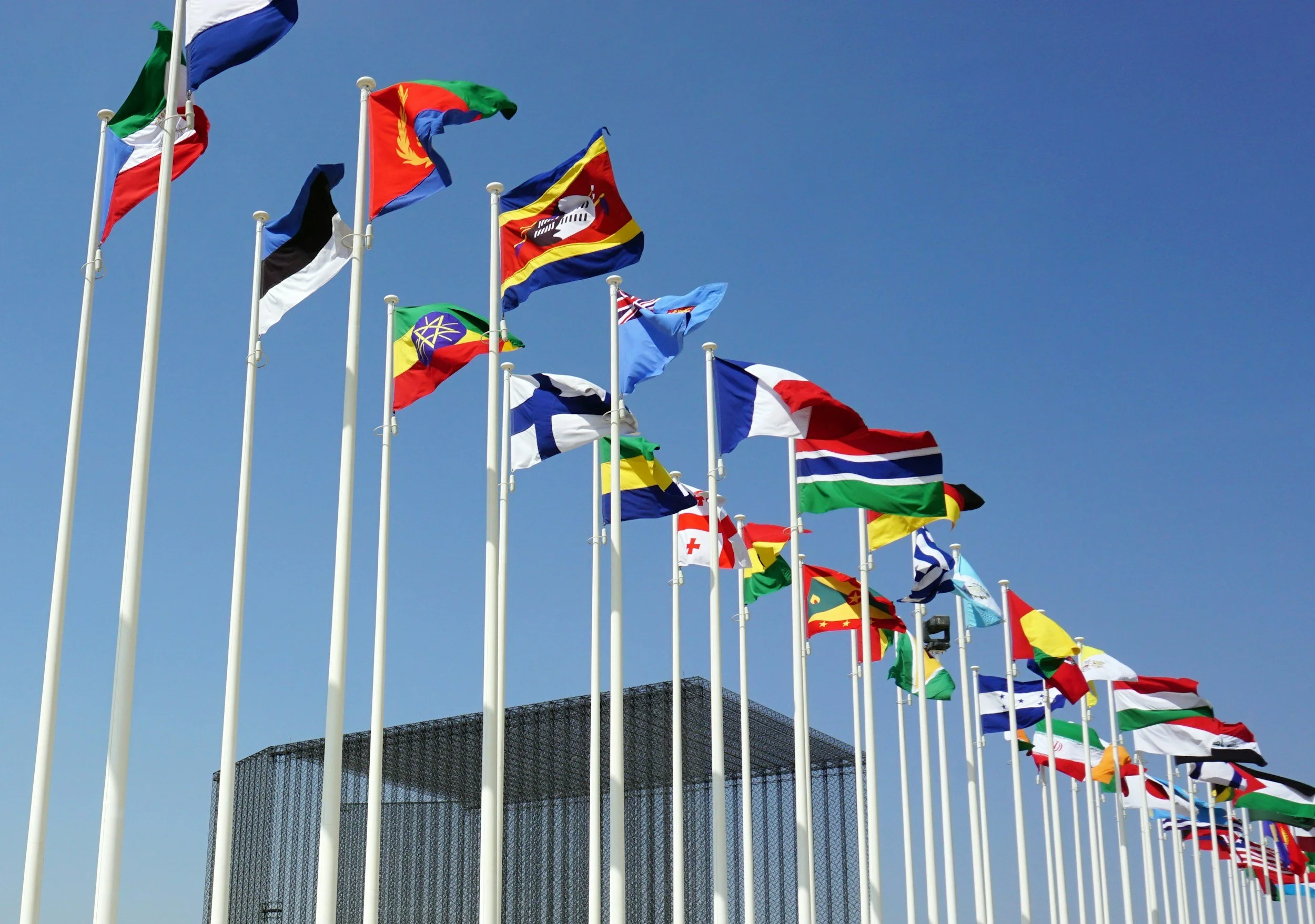
There is growing momentum for a pro-life UN coalition seeking to clarify that there is no such thing as an international human right to abortion. Oftentimes, people misunderstand what this means.
While some governments frame abortion as a right, the issue has always been highly controversial at the international stage, showing there is no real consensus on this topic. Hence, there is no international law instrument referring to abortion as a right. No treaty or unanimous UN resolution mentions it. That is what is meant by “no international right.” Effectively, each country has the sovereign right to legislate this issue as it pleases. When international agencies or foreign governments seek to influence other nations on this topic, they do so outside the scope of international human rights law.
As of now, 43 countries make up the coalition, including the United States, Argentina, Egypt, Hungary, Georgia, and Russia. 120 civil society organizations support the Declaration and have joined the “Civil Society for the GCD.”
Pro-Life Wins at the UN

In a recent press release, the Trump administration listed “250 victories for people of faith”. See several UN-related decisions below:
“At the United Nations, a Trump Administration representative expressed concern that the UN can’t answer the question “What is a woman?” and affirmed the truth of biological reality.
The United States advocated for “gender” to refer only to men and women at a United Nations meeting of the Commission on the Status of Women.
The State Department announced the U.S. will serve as the lead nation for the Geneva Consensus Declaration, an alliance of countries that champions women’s health, strengthens the natural family, and rejects an international right to abortion.
The U.S. withdrew from the pro-abortion, anti-faith, anti-freedom, World Health Organization (WHO).
The Department of State encouraged foreign nations to protect children from the dangers of online pornography and sexual abuse.”
Resources 💡
3 Celebrities Who Were Almost Aborted via CLCYouthprolife
The impact of abortion on different generations via LiveActionNews
“No uterus, no opinion” logic defeated via ProLife Europe
“Are abortions ever medically necessary?’ Via Dr. Chris Stroud
The truth behind the chemical abortion pill: environmental effects of the chemical abortion pill via Kristan Mercerhawkinds and Students for Life